If your doctor has suggested an endoscopy procedure, you likely have questions about what it means, whether it is painful, and what information it can provide about your health. The reality is that “endoscopy” is not a single procedure but a group of procedures that each examine different sections of the digestive system with a thin, flexible tube with a camera on the end.
If you’re dealing with chronic acid reflux, mysterious abdominal pain, or your doctor has recommended further investigation, knowing the different types of endoscopy can help you feel more informed, prepared, and confident about the procedure. Here we will break down the five most common endoscopy and their indications, and how to determine which one is right for you.
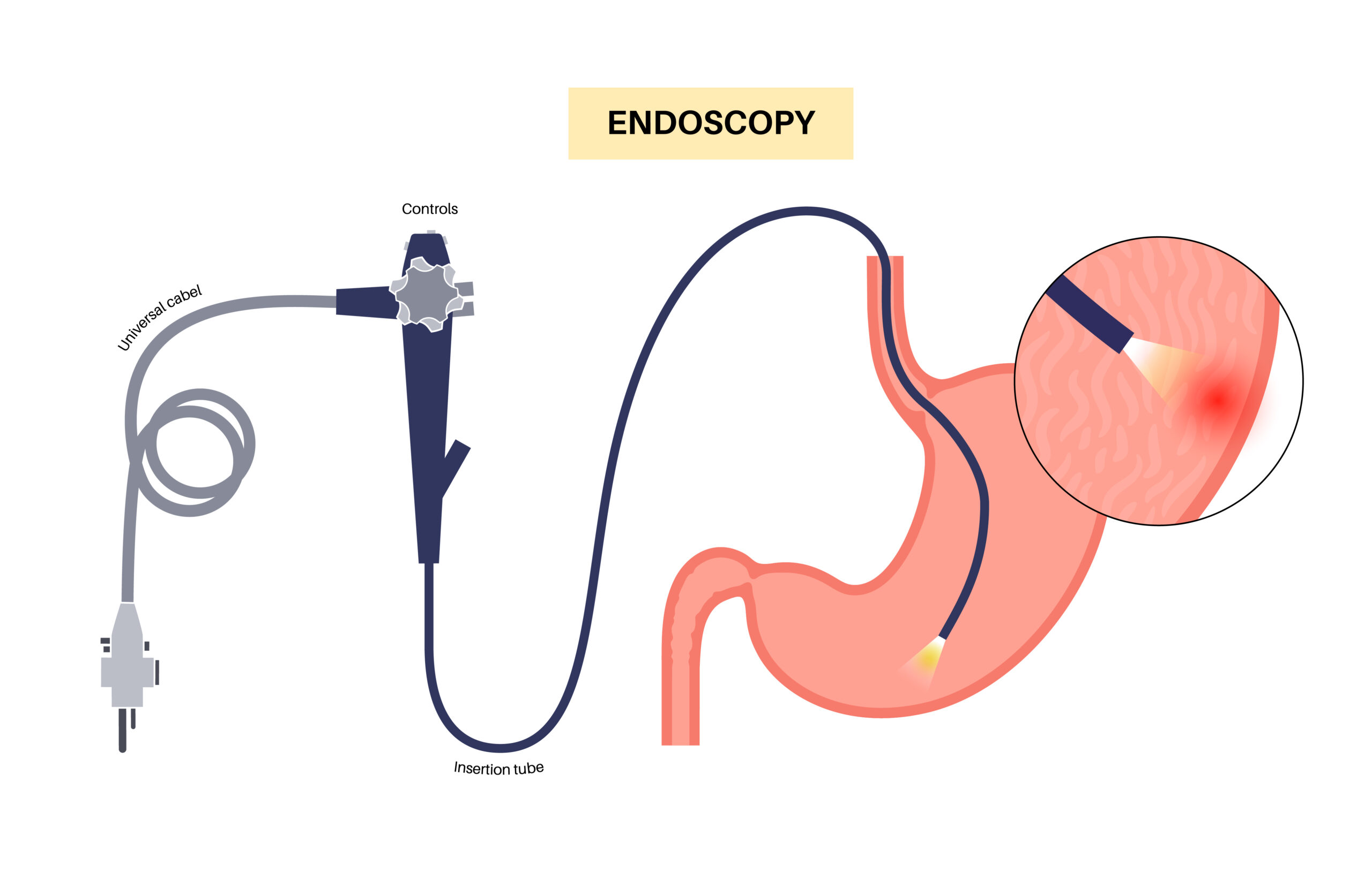
An endoscopy involves a doctor examining your body, typically the digestive system, without the need for large incisions in your skin. Using a thin tube (endoscope) with a small camera and light, images of internal organs are obtained in real time from a natural body opening or small incision.
This is one of the most useful diagnostic tests in modern gastroenterology, as it allows a gastroenterologist in Lahore or elsewhere to visualize the abnormalities, take tissue samples (biopsies) when necessary, and treat conditions such as polyps or bleeding in the body during the same procedure.
Now let’s look at the five endoscopic procedures you’re most likely to encounter.
This is the most commonly performed endoscopic procedure and often what people mean when they simply say “endoscopy.” An upper GI endoscopy, or gastroscopy, examines the esophagus, stomach, and the first part of the small intestine (duodenum).
The gastroscopy is carried out by gently inserting the endoscope through the mouth and throat. Mild sedation is used for most patients and only causes minimal discomfort.
A common question is, “Is endoscopy painful?” The procedure is well tolerated; most patients don’t experience any pain, just mild discomfort.
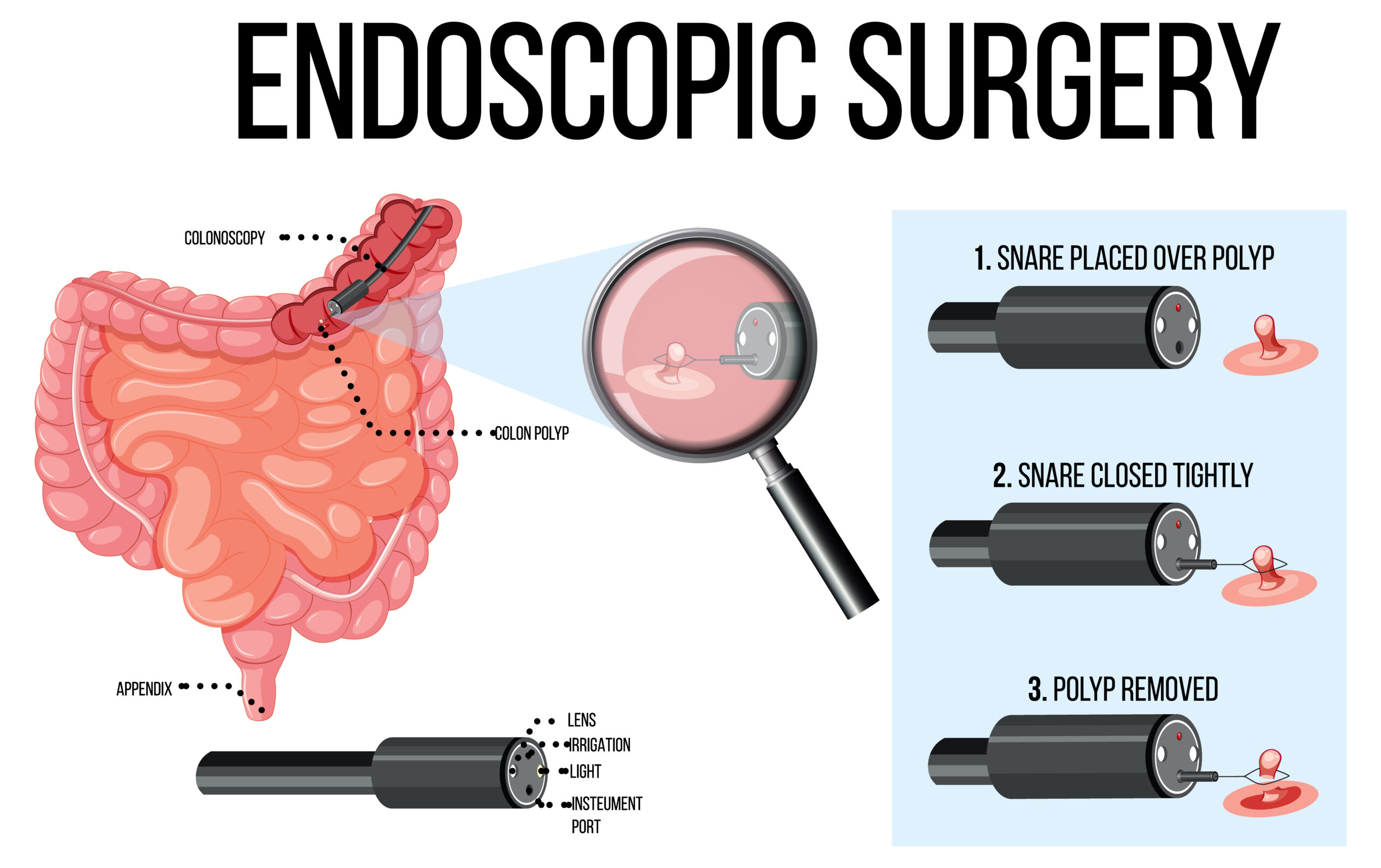
A colonoscopy is a test to check the large intestine (colon) and rectum, which is important for early detection of problems with the colon. It is one of the most significant screening tests for colorectal cancer, particularly for people over the age of 45 and for people who have a family history of colorectal cancer.
Comparing endoscopy vs. colonoscopy often confuses patients, but a colonoscopy is technically a type of endoscopy, specifically designed for the lower digestive tract, while “endoscopy” more broadly (or “gastroscopy” specifically) usually refers to examining the upper digestive tract. Both procedures share similar preparation principles but target different regions of the gut.
Capsule endoscopy is one of the most fascinating advances in gastrointestinal diagnostics. Instead of a traditional tube, the patient swallows a small, pill-sized capsule with a wireless camera. As it moves naturally through the digestive tract, it captures thousands of images, making it especially useful for examining the small intestine, which is difficult to reach with standard scopes.
This non-invasive endoscopy procedure requires no sedation and allows patients to go about their day almost normally while the capsule does its work, later passing naturally from the body.
ERCP is a type of endoscopy that combines endoscopy and X-ray imaging to examine the bile ducts, gallbladder, pancreatic duct, and the liver’s drainage system. It is very helpful for patients with liver or pancreatic problems.
Unlike diagnostic-only procedures, ERCP is often therapeutic; doctors can remove blockages, place stents, or take samples during the same session, reducing the need for additional surgery.
A flexible sigmoidoscopy is similar to a colonoscopy, but it examines only the lower part of the colon, the sigmoid colon and rectum, rather than the entire large intestine. It is often used as a quicker alternative when a full colonoscopy is not necessary.
Because it covers a smaller area, sigmoidoscopy typically requires less preparation and can sometimes be done without sedation, making it a convenient option for certain patients.
One of the biggest advantages of undergoing an endoscopy procedure is its diagnostic range. Depending on the type performed, endoscopy can help detect the following:
This is exactly why timely evaluation by a stomach specialist or certified gastroenterologist in Lahore matters; early detection through endoscopy often leads to much better treatment outcomes.
While specifics vary by procedure type, most endoscopy procedure steps follow a similar pattern:
From preparation to recovery, the entire process typically takes a few hours, and most patients continue normal activities within 24 hours.
A frequent concern before any endoscopic procedure is discomfort. With modern sedation techniques, actual pain is rare. Rather than significant pain, most patients describe mild throat soreness (after upper endoscopy) or bloating (after colonoscopy).
Common, generally mild endoscopy side effects include the following:
Serious complications are uncommon when an experienced team performs the procedure following proper protocols; this is another reason why choosing the best gastroenterologist in Lahore for your procedure genuinely matters.
When it comes to digestion, accuracy, cleanliness, and expertise are essential. Omar Hospital is the best endoscopy center in Lahore, offering comprehensive services, including gastroscopy, colonoscopy, and other advanced endoscopy procedures such as ERCP.
The factors that set Omar Hospital apart from others are the following:
If you are looking for a reliable stomach specialist near me or a gastroenterologist in Lahore to address your digestive problems, Omar Hospital is the right choice.