When basic treatment doesn’t improve symptoms, your doctor may suggest further tests to find out what’s really going on. Terms like endoscopy, scan, and imaging can be confusing, and it’s normal to wonder which test is right for you. At Omar Hospital, we want you to feel informed and confident before any testing begins.
Endoscopy is often the most direct way for a doctor to look at your digestive system, but it’s not the only option. Each test has its own role, benefits, and limitations. This guide breaks down how endoscopy compares with other tests so you can talk openly and confidently with your doctor about your options.
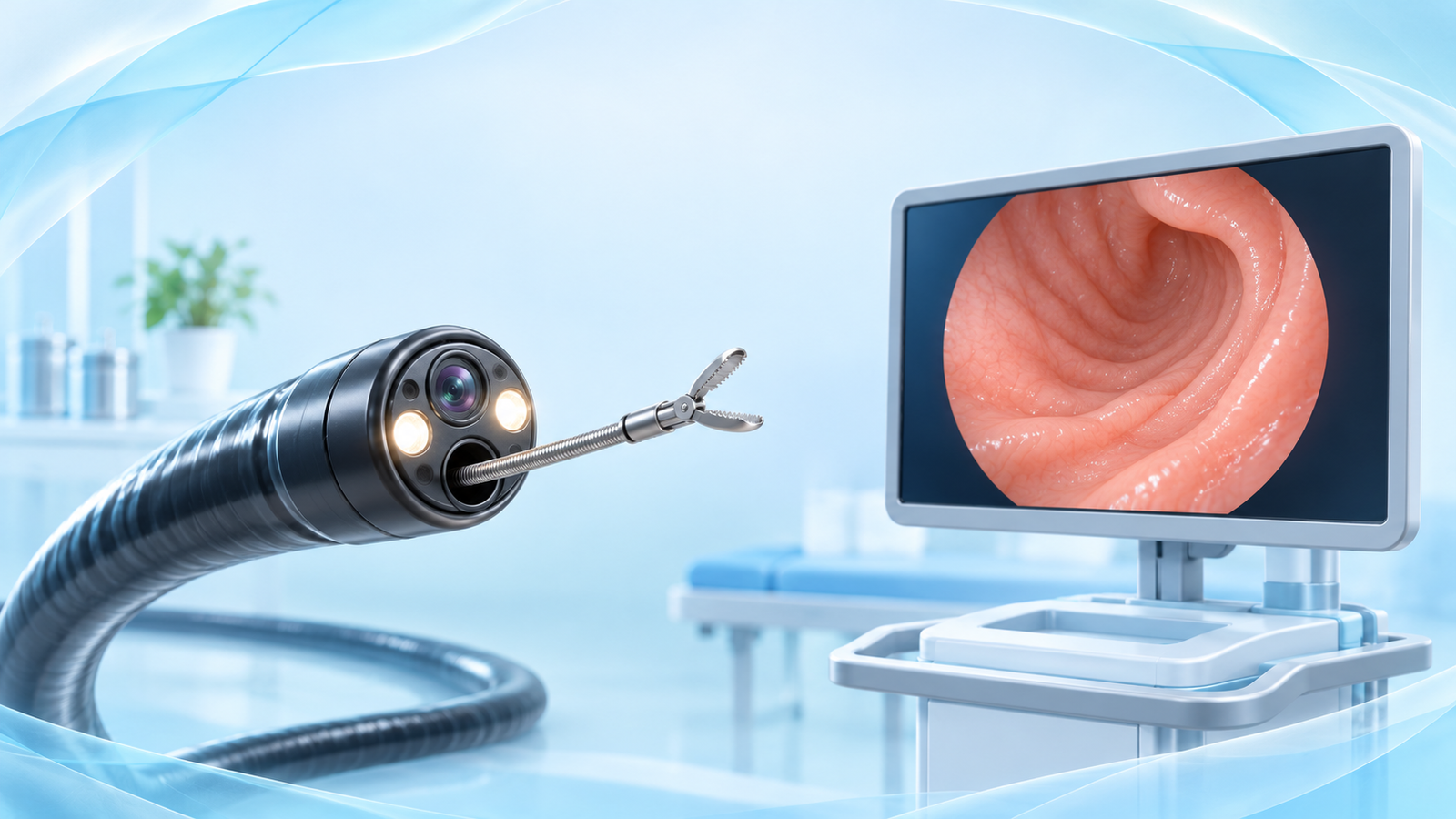
An endoscopy is a test where a doctor looks inside your body using a thin, bendable tube with a tiny camera and light at the end. The camera sends live pictures to a screen, so the doctor can carefully check the lining of your digestive system.
Doctors commonly use an endoscopy procedure to check problems in:
Because the doctor can see the area clearly, endoscopy helps spot inflammation, ulcers, infections, bleeding, or unusual growths. The procedure isn’t usually painful, and you’ll often get mild sedation to help you stay relaxed and at ease.
| Factor | Endoscopy procedure | Imaging tests | Blood and stool tests |
| Accuracy for the digestive tract | Direct view of the inner lining | Indirect view; may miss small surface changes | Screening and early clues only |
| Comfort | Mild discomfort, minimised with sedation | Non-invasive | Non-invasive |
| Recovery | Usually day-care; most patients go home the same day. | None | None |
| Biopsy or treatment | Yes | No | No |
| Best used for | Detailed examination, biopsy, treatment | Organ structure and surrounding organs | First-step screening and evaluation |
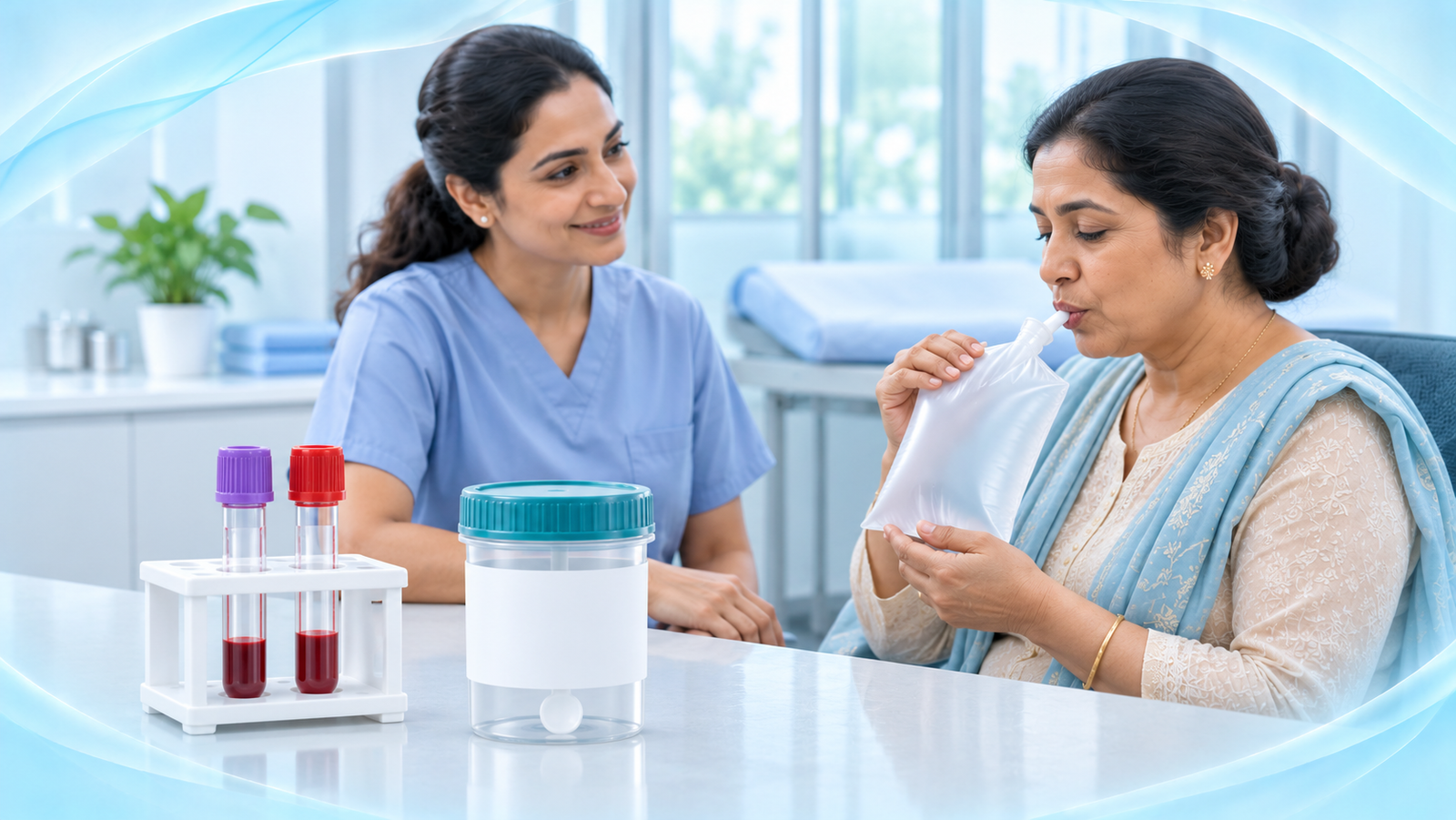
Before recommending an endoscopy procedure, doctors often begin with simpler tests that help narrow down the possible causes.
These tests are helpful starting points, but sometimes they can’t give a full answer if your case is more complicated.
Medical imaging takes pictures of the inside of your body without putting anything inside. These pictures help doctors see the size, shape, and position of your organs and spot any structural issues. Common imaging tests include:
Imaging tests are non-invasive and widely used, but they usually show organs from the outside rather than the inner lining of the digestive tract.
In some situations, imaging or basic lab tests are a better first step. This is often the case when:
Your doctor may first suggest imaging or lab tests and only recommend an endoscopy if it’s actually needed.
One of the main advantages of endoscopy is that your doctor can often see, diagnose, and even treat a problem all in one visit. It can:
Imaging and lab tests cannot do these things, which is why endoscopy remains a key diagnostic tool.
Endoscopy is generally safe when done by trained professionals. You might have a sore throat or feel bloated for a short time afterwards, but serious problems are rare. Your doctor will check your overall health before recommending any procedure, and in most cases, getting an early, accurate diagnosis is worth the small risks.
Tests like these are important for catching health problems early. Endoscopy is a very effective tool, but doctors only recommend it when it’s truly needed; in many cases, other tests are enough. No single test is right for everyone. The best choice depends on your symptoms, medical history, and exam results, so talk to a trusted doctor to get the right test and a quick diagnosis.
Not sure whether you need an endoscopy procedure? Book a consultation with an Omar Hospital gastroenterologist for a proper assessment. Early diagnosis can make treatment simpler and recovery faster.