
Joint pain that does not improve with rest, medication, or physiotherapy is one of the most common reasons patients in Lahore are referred for joint replacement surgery. It is a broader option than most other orthopedic procedures, and patients researching the best orthopedic surgeon in Lahore will likely want to know more than just that procedure list; they want to know when surgery is truly the right choice, what it involves, and what the recovery process is like.
This guide walks you through the whole process, from the early signs that surgery may be needed to the months after recovery.
Joint replacement is not usually the first treatment option. A Lahore orthopedic surgeon will suggest it only after conservative measures such as physiotherapy, anti-inflammatory medications, weight management, and activity adjustments have been tried and have not provided meaningful relief. The joint is usually evaluated with a physical exam and imaging tests, such as X-rays and sometimes an MRI, to confirm the extent of cartilage or joint damage.
Common signs that a consultation is worth pursuing include:
Not every patient needs the same procedure, and this is where a proper consultation with an orthopedic doctor matters. The main approaches include:
Knee replacement (knee arthroplasty) is one of the most commonly performed joint replacement surgeries, partly because knee OA becomes more common with age. During total knee replacement surgery, the damaged cartilage and bone on the top of the tibia and the end of the femur are removed and replaced with metal and plastic parts that move like a knee.
When researching knee replacement cost in Pakistan, patients should keep in mind that prices vary from one hospital to another depending on the type of implant used, whether the procedure is robotically assisted, and the length of the hospital stay after knee replacement surgery. It is best to get a direct quote after consultation rather than rely on general estimates from the internet.
Total replacement of the hip joint is based on the same principle used in total knee replacement surgery: the ball-and-socket joint is replaced with an artificial implant to relieve pain caused by arthritis, fractures, or joint deterioration. Most patients experience less pain after the joint heals, and modern implants are expected to last a long time.
Total hip replacement recovery time varies by patient, but a general pattern looks like this:
Spine surgery is not classified as knee or hip replacement surgery, but it may be performed at the same orthopedic centers when the problem involves the vertebrae, discs, or nerve compression. In recent years, minimally invasive spine surgery has become more popular because it uses smaller incisions and specialized instruments that reduce tissue disruption, blood loss, and recovery time compared with open spine surgery. It is usually used for herniated discs, spinal stenosis, and some degenerative disorders after other conservative methods have failed.
There are several hospitals in Lahore that provide orthopedic treatment and joint replacement, with related care in the city, where joint replacement treatment can be offered by the orthopedic departments.
These are among the many hospitals in Lahore with orthopedic departments. When weighing your options, consider how often the surgical team has performed your procedure, whether it will be done with robotic assistance, and the hospital’s post-surgical care.
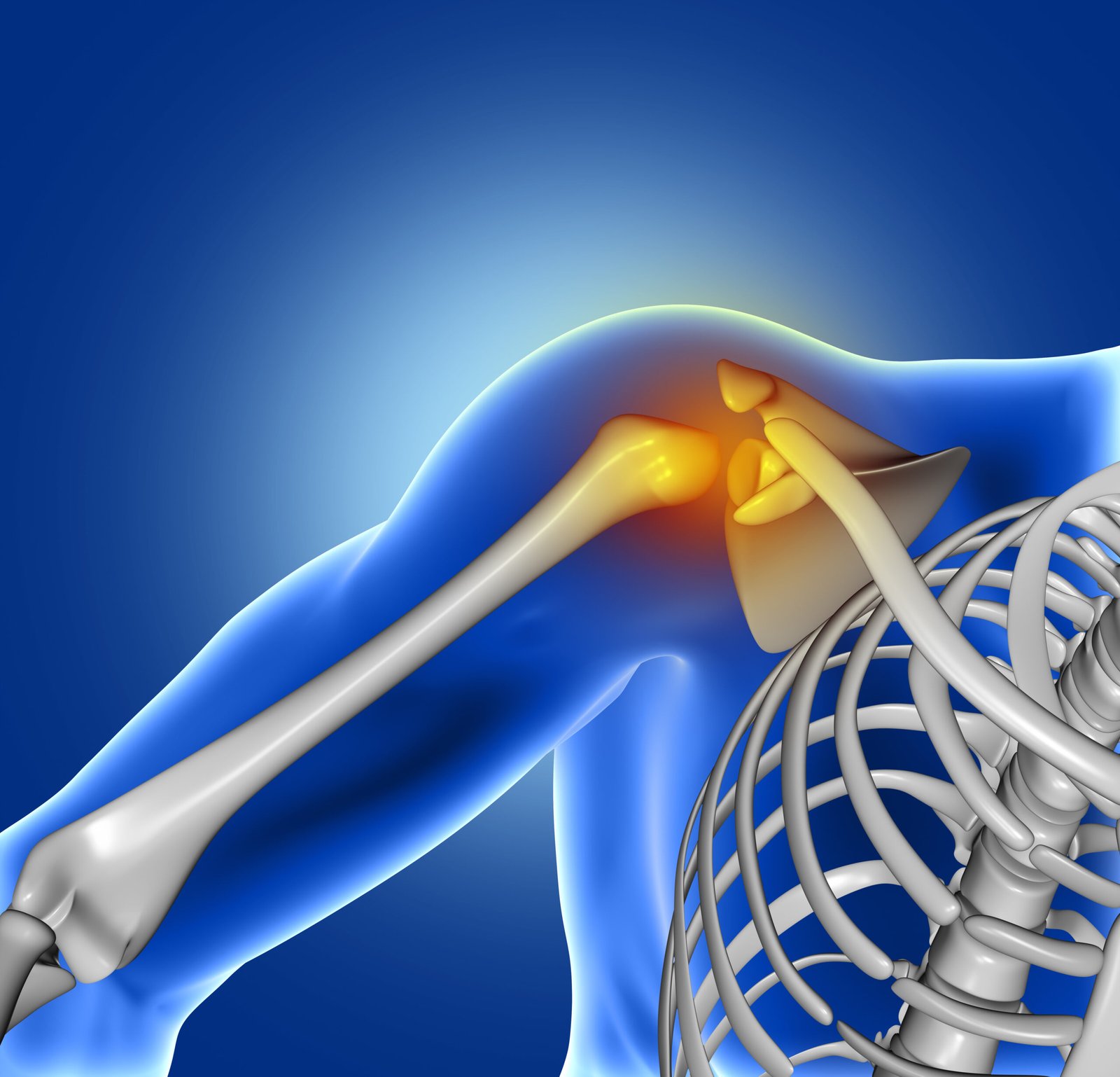
The most common surgeries are knee, hip, and shoulder replacements, but elbow and ankle replacements can also be done if arthritis or injury has severely damaged the joints. These procedures are essentially the same in that they replace damaged joint surfaces with a prosthetic joint, but recovery times and rehabilitation guidelines vary depending on the joint.
Joint replacement is like any major surgery, and it carries risks such as infection, blood clots, loosening of the replacement over time, or, in rare cases, damage to nerves or blood vessels. However, most complications can be managed effectively if they are caught early, so post-operative follow-up appointments are just as important as the surgery itself.
The results of joint replacement surgery are generally good; most patients experience less pain, improved mobility, and implants last 15-20 years or more depending on activity level and the type of implant.
A few habits go a long way in protecting joint health, whether or not surgery is ever on the table:
What Conditions Does an Orthopedic Doctor Treat?
Beyond joint replacement, orthopedic doctors treat a wide range of musculoskeletal conditions, including fractures, sports injuries, ligament and tendon tears, osteoarthritis and rheumatoid arthritis, spinal conditions, and congenital joint or bone deformities
When Should You See an Orthopedic Doctor?
It’s worth booking a consultation with an orthopedic surgeon in Lahore if you have joint pain that lasts more than a few weeks, swelling or stiffness that limits daily activities, a joint injury that hasn’t improved with rest, or pain that disrupts sleep or basic mobility. Catching problems early generally means more non-surgical options are available.