Gastrointestinal endoscopy is one of the most common and reliable diagnostic tests used in contemporary medicine. It enables doctors to examine exactly what is happening inside the digestive system, identify early problems, and (in many cases) treat them in the same appointment. However, many patients are still concerned before their appointment, searching for terms like “endoscopy side effects,” “Is endoscopy dangerous?” or “endoscopy risks death.”
The truth of the matter is this: endoscopy side effects are generally minor, and serious complications are very uncommon. At Omar Hospital, all endoscopy procedures are performed in a safe environment to minimize that risk. This guide explains what really happens, what the actual (rare) endoscopy side effects are, and how our team keeps you safe every step of the way.
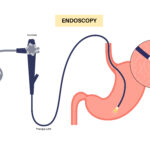
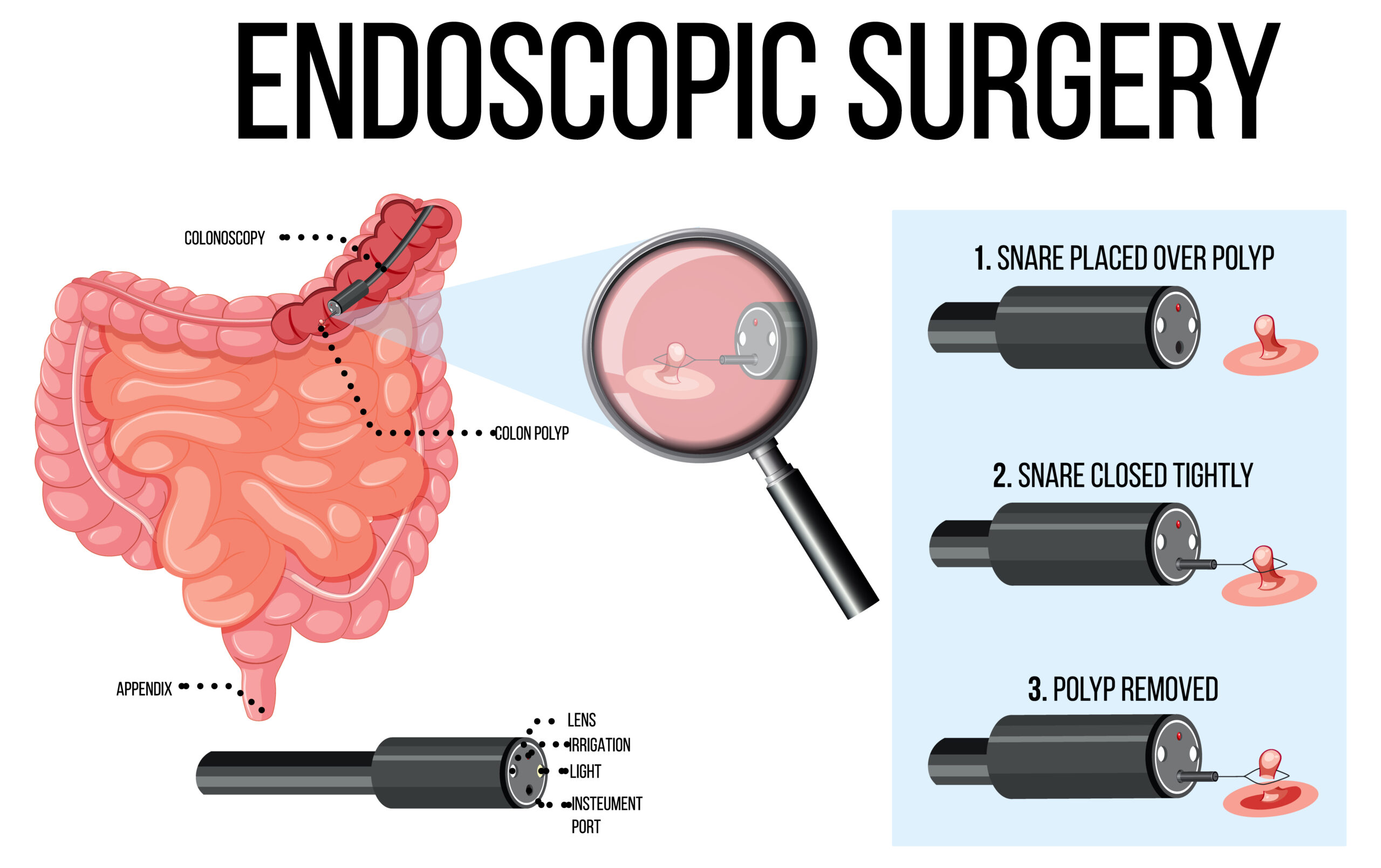
Understanding why the procedure is performed is a good starting point in addressing risk. Endoscopy is a procedure that involves using a long, thin tube with a camera at the end to look inside the esophagus, stomach, small intestine, or colon. It is one of the most reliable methods for doctors to determine what diseases can be diagnosed through an endoscopy, such as the following:
Because it allows direct visual inspection and often biopsy or treatment in the same session, endoscopy remains the gold standard for diagnosing digestive conditions.
The low complication rate associated with modern endoscopy isn’t accidental; it’s the result of layered safety systems that operate before, during, and after every procedure, all designed to reduce endoscopy side effects to a minimum.
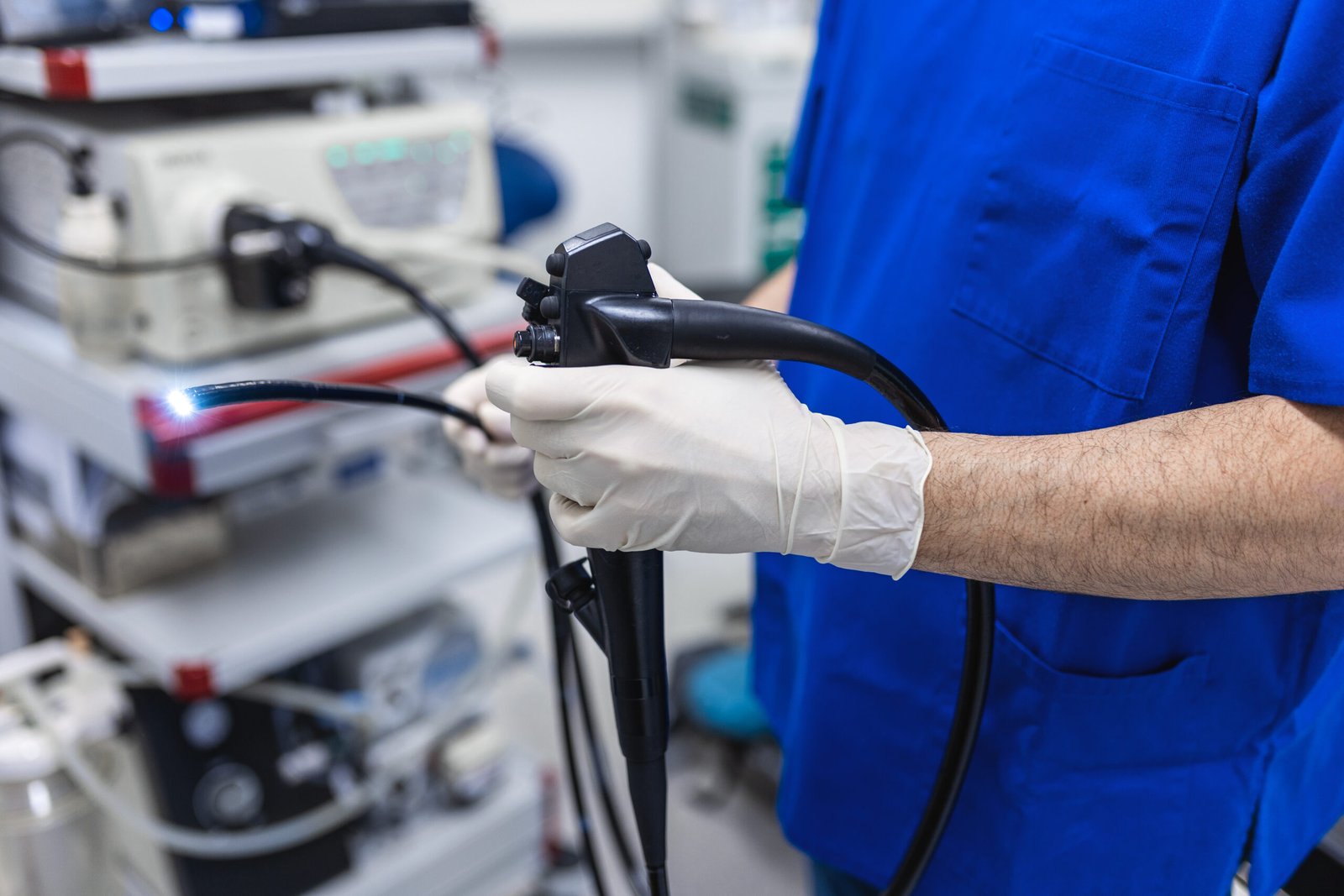
All endoscopes at Omar Hospital are reprocessed according to a multi-step cleaning and disinfection procedure that includes manual cleaning, high-level disinfection, and sterile storage, all based on international guidelines for infection control. Cleanings are recorded on an individual scope basis, and a complete history of each instrument’s cleaning is documented prior to reuse.
Sterile handling of equipment, single-use accessories when possible, and controlled airflow in procedure rooms are in place in our endoscopy suites to ensure strict infection prevention standards. This is one of the main reasons infection-related endoscopy side effects are so rare.
All endoscopy is carried out by a qualified gastroenterologist with a trained surgical nursing and anesthetic team. Knowledge and practice mean a much reduced risk of damage to tissues or missed complications during the examination.
Equipment is regularly inspected, calibrated, and audited. Close monitoring of vital signs occurs throughout the procedure, and a safety checklist is completed before sedation, during scope insertion, and at the time of discharge.
Even with excellent safety standards, no medical procedure carries zero risk. Understanding the most common endoscopy side effects and how rare serious ones truly are helps put fear into perspective.
Most patients recover from endoscopy within a day with no issues. However, you should contact your doctor immediately if you notice:
Early reporting of these symptoms allows the medical team to intervene quickly, which is key to preventing minor endoscopy side effects from becoming serious ones.
Certain patients require extra precaution during endoscopy, including those with:
If you fall into any of these categories, your gastroenterologist will review your history beforehand and may adjust sedation, medication, or monitoring accordingly to further limit potential endoscopy side effects.
The gastroenterology team at Omar Hospital follows several practices to minimize risk before it becomes a possibility:
This combination of preparation, technology, and expertise is what keeps endoscopy procedure outcomes and endoscopy side effects overwhelmingly rare and manageable.
Good preparation is itself a safety measure; clear instructions before the procedure reduce the chance of complications on the day. Before your endoscopy, you’ll typically be asked to:
After your endoscopy, plan for a short recovery period:
Contact Omar Hospital immediately if you experience any of the warning symptoms listed above after going home. Early follow-up is the best protection against complications.
If you’ve been worried about endoscopy side effects, the evidence and decades of clinical experience say the same thing: gastrointestinal endoscopy is a well-established and safe procedure, and serious complications are rare, especially in the hands of an experienced, accredited team.
The endoscopy unit at Omar Hospital is backed by rigorous safety precautions and highly trained personnel to ensure your procedure is as smooth and low-risk as possible. If you’re looking for endoscopy in Lahore and want clear answers about endoscopy side effects