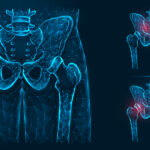
Hip pain caused by arthritis or joint damage can severely limit mobility and independence. When conservative treatments no longer provide relief, total hip replacement becomes a highly effective solution. However, many patients hesitate because they are concerned about the risks and long-term outcomes.
For patients considering surgery, a consultation at Omar Hospital ensures access to expert orthopedic services, advanced surgical technology, and personalized treatment planning.
Total hip replacement surgery is recommended when the hip joint becomes severely damaged and painful. The most common reasons include:
When pain interferes with walking, climbing stairs, sleeping, or even sitting comfortably, surgery may significantly improve quality of life.
One of the most reassuring aspects of total hip replacement is its high success rate. Studies consistently show:
Most patients experience dramatic pain relief within weeks and begin walking with assistance within 1–3 days after surgery.
Modern implants are durable. Many hip replacements last 20–25 years, especially when patients maintain a healthy weight and follow post-operative guidelines.
Beyond pain relief, the procedure offers several long-term advantages:
For many individuals, the benefits far outweigh the risks.
While total hip replacement surgery is generally safe, no surgical procedure is completely risk-free. Understanding possible total hip replacement complications allows patients to prepare realistically.
Common but Manageable Risks are
Moderate Risks include
Rare but Serious Risks of hip replacement surgery are
At Omar Hospital, careful surgical planning, modern operation facilities, and comprehensive post-operative care minimize these risks and support safer recovery.

Certain factors may slightly increase complication rates:
A detailed pre-surgical assessment at Omar Hospital helps identify individual risk factors and optimize surgical safety for every patient.
Patients play an important role in ensuring a successful outcome.
Following the post-operative care plan provided by the orthopedic team at Omar Hospital can significantly improve recovery and long-term implant durability.
Understanding the process reduces anxiety.
The damaged hip joint is removed and replaced with artificial components designed to restore smooth movement.
To prevent dislocation and protect the implant:
The orthopedic team at Omar Hospital provides personalized recovery guidance to help you safely return to everyday activities while protecting your new hip.
For patients suffering from severe hip arthritis or joint damage, total hip replacement often restores mobility and eliminates chronic pain. While risks exist, complication rates are relatively low when surgery is performed by a skilled specialist and followed by proper rehabilitation.
If you’re considering total hip replacement, the orthopedic team at Omar Hospital can help you understand your treatment options, discuss potential risks, and determine the most suitable approach for your condition.
Seek immediate medical advice if you notice:
Your care team at Omar Hospital will schedule regular follow-up visits to monitor your healing, address concerns early, and support a smooth recovery.
Total hip replacement surgery remains one of the most reliable and successful orthopedic procedures. With proper preparation, expert surgical care, and disciplined rehabilitation, most patients regain mobility and return to an active lifestyle.
If hip pain is affecting your quality of life, Omar Hospital offers comprehensive orthopedic evaluations, advanced surgical care, and personalized rehabilitation to help you determine whether total hip replacement is the right treatment for you.