If your doctor has recommended an endoscopy procedure, it’s common to feel a little uneasy. But most of that anxiety isn’t due to the procedure itself; rather, it is due to misinformation shared between people and outdated information online.
The gastroenterology team at Omar performed these procedures, and the most common pre-visit activities involved answering the same few worrying questions. In this guide, we will explain what the endoscopic procedure involves and debunk some of the common endoscopic myths so you can come to your appointment feeling informed and confident, not anxious.
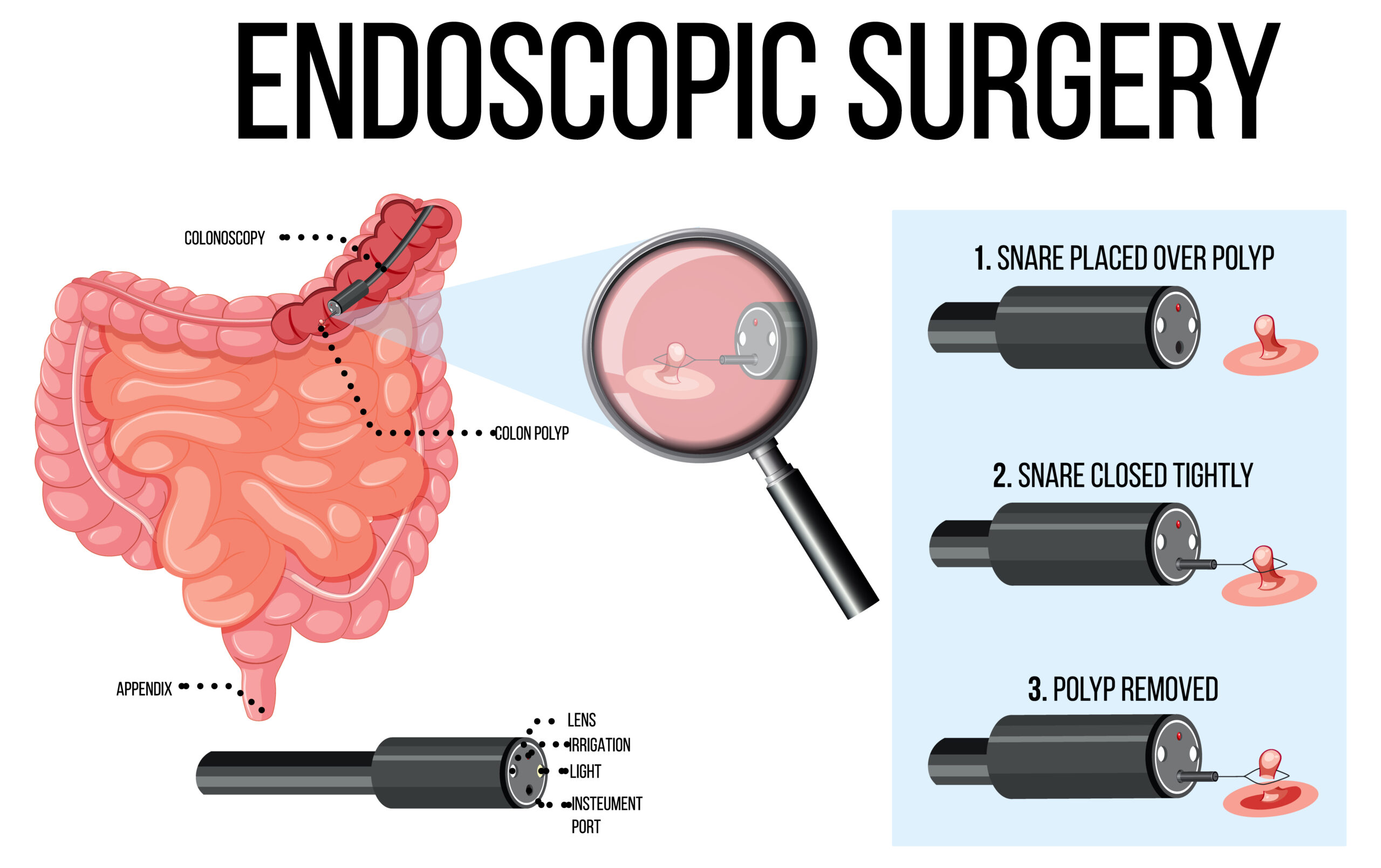
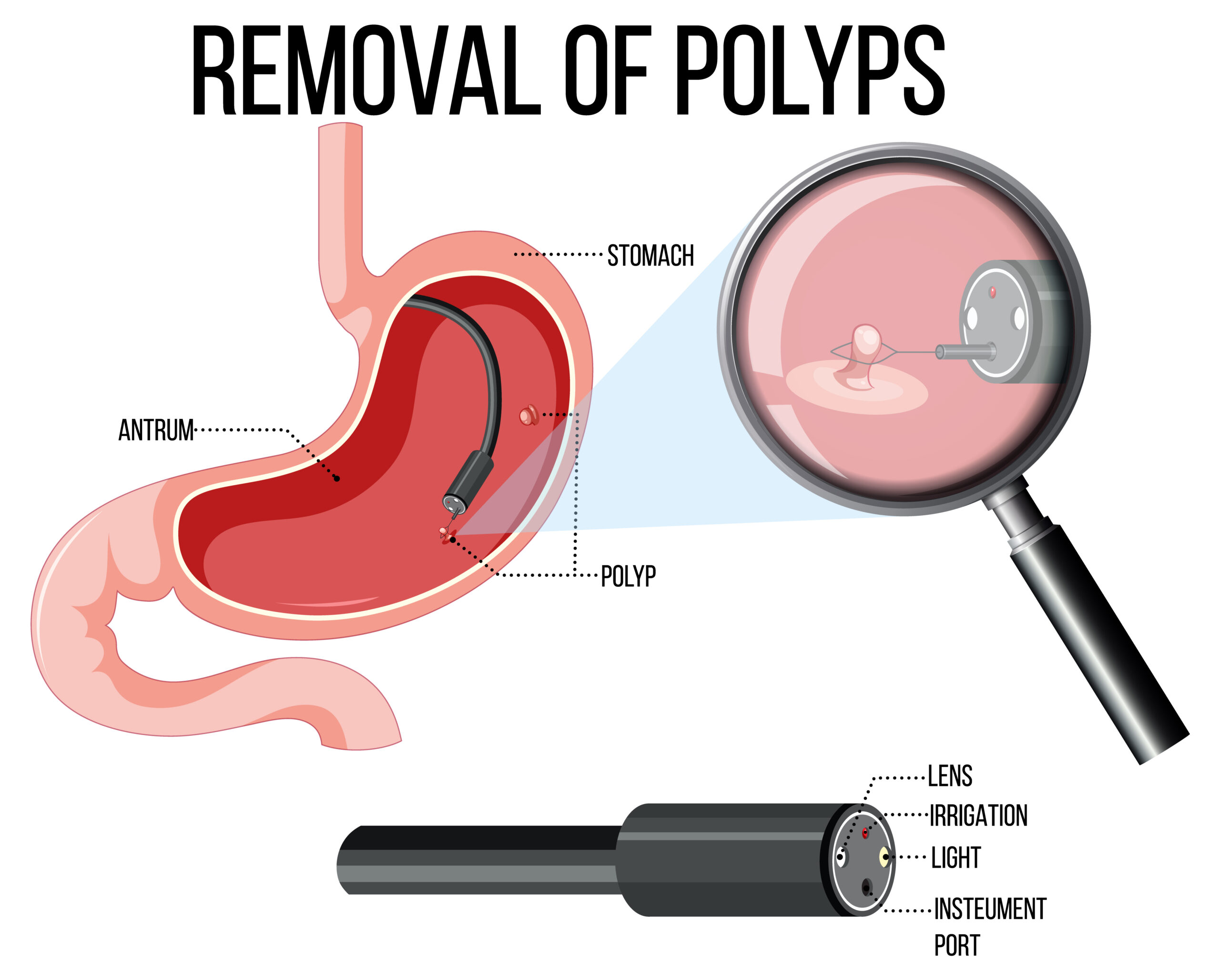
An endoscopic procedure is a small, flexible tube with a light and camera that is inserted into your digestive tract to provide a doctor with a view of the inside of your body. This can be called an upper GI endoscopy (esophagus, stomach, and opening of the small intestine) or a similar procedure such as a colonoscopy (lower digestive system).
The images produced by the endoscope are displayed on a monitor in real time, allowing the doctor to detect inflammation, ulcers, and abnormal growths before they become serious symptoms.
The endoscopic procedure itself has been around for many years, and technology has advanced greatly; sedation is safer, scopes are thinner and more flexible, and recovery is quicker than ever. However, the old tales keep going around. Most people are concerned because they believe that this procedure is a more complicated surgery or that it is performed by a third party rather than a doctor. Let us differentiate between facts and myths.
Let’s separate fact from fiction for you to know exactly what to expect before, during, and after the procedure.
Myth: The procedure is extremely painful.
Fact: Most patients feel little to no pain during the procedure. Sedation is used to help you stay relaxed and comfortable. Any mild sensations, like slight pressure or gagging, are brief and manageable.
Myth: You are fully awake and aware during the procedure.
Fact: While some endoscopies are done with light sedation, many patients are given medication that leaves them drowsy or in a sleepy state.
Myth: Sedation makes the procedure risky.
Fact: Sedation used during the procedure is carefully dosed and monitored by trained medical staff throughout. Adverse reactions are rare, and your vital signs are tracked continuously to ensure safety.
Myth: Endoscopy is dangerous and carries high risks of infection.
Fact: It is one of the most routinely performed and well-studied procedures in gastroenterology. Modern sterilization protocols.
Myth: It is a major surgery with a long recovery time.
Fact: It is not a surgery but minimally invasive, which typically takes 15–30 minutes, and most patients go home the same day.
Myth: The procedure is not accurate.
Fact: It provides a direct, real-time view of the digestive tract. This makes it one of the most accurate diagnostic tools available, far more precise than many imaging-based alternatives.
Myth: It is only for people with severe symptoms.
Fact: The procedure is often recommended for mild, persistent, or unexplained symptoms too
Myth: Only older adults need this procedure.
Fact: Doctors recommend endoscopic procedures based on individual symptoms and risk factors, not age alone.
Myth: Only men need this procedure.
Fact: Digestive health issues affect both men and women, and this procedure is recommended based on symptoms and risk, not gender.
Myth: It is only done for cancer or serious diseases.
Fact: It is used to investigate a wide range of conditions, from acid reflux and ulcers to inflammation, difficulty swallowing, and unexplained abdominal pain, not just cancer screening.
Myth: This procedure cannot detect cancer early.
Fact: It can detect abnormal tissue changes at an early, more treatable stage, often before symptoms become obvious.
Myth: Medicines can always replace the procedure.
Fact: Medication can manage symptoms, but it can’t provide a direct visual diagnosis. An endoscopic procedure helps pinpoint the actual source of the problem.
Myth: You cannot eat or drink for days.
Fact: Preparation typically involves fasting for about 6-8 hours before the procedure, not days. Your doctor will give you specific, simple instructions in advance.
Myth: The preparation is worse than the procedure itself.
Fact: Preparation for an upper GI endoscopy is generally straightforward, usually just involving a short fasting period.
Myth: Recovery from the procedure is long and difficult.
Fact: Most patients recover within a few hours. Mild throat discomfort or bloating may occur briefly, but normal activities can usually resume the same or next day.
Myth: The results or benefits are only short-term.
Fact: A single endoscopic procedure can provide diagnostic clarity that guides treatment for months or years, whether that means ruling out serious conditions or catching a problem early enough to treat it effectively long-term.
In today’s world, endoscopic procedures are the safest and most effective procedures, having been used for decades in clinical practice. The rate of complications is low, sedation procedures are well developed, and its direct visualization cannot be achieved through blood tests or imaging. It is a low-risk procedure that can be performed safely by trained specialists in a properly equipped facility, as long as the procedure is performed in the appropriate setting, by trained experts, and with minimal risk to the patient.
This procedure can help identify the following:
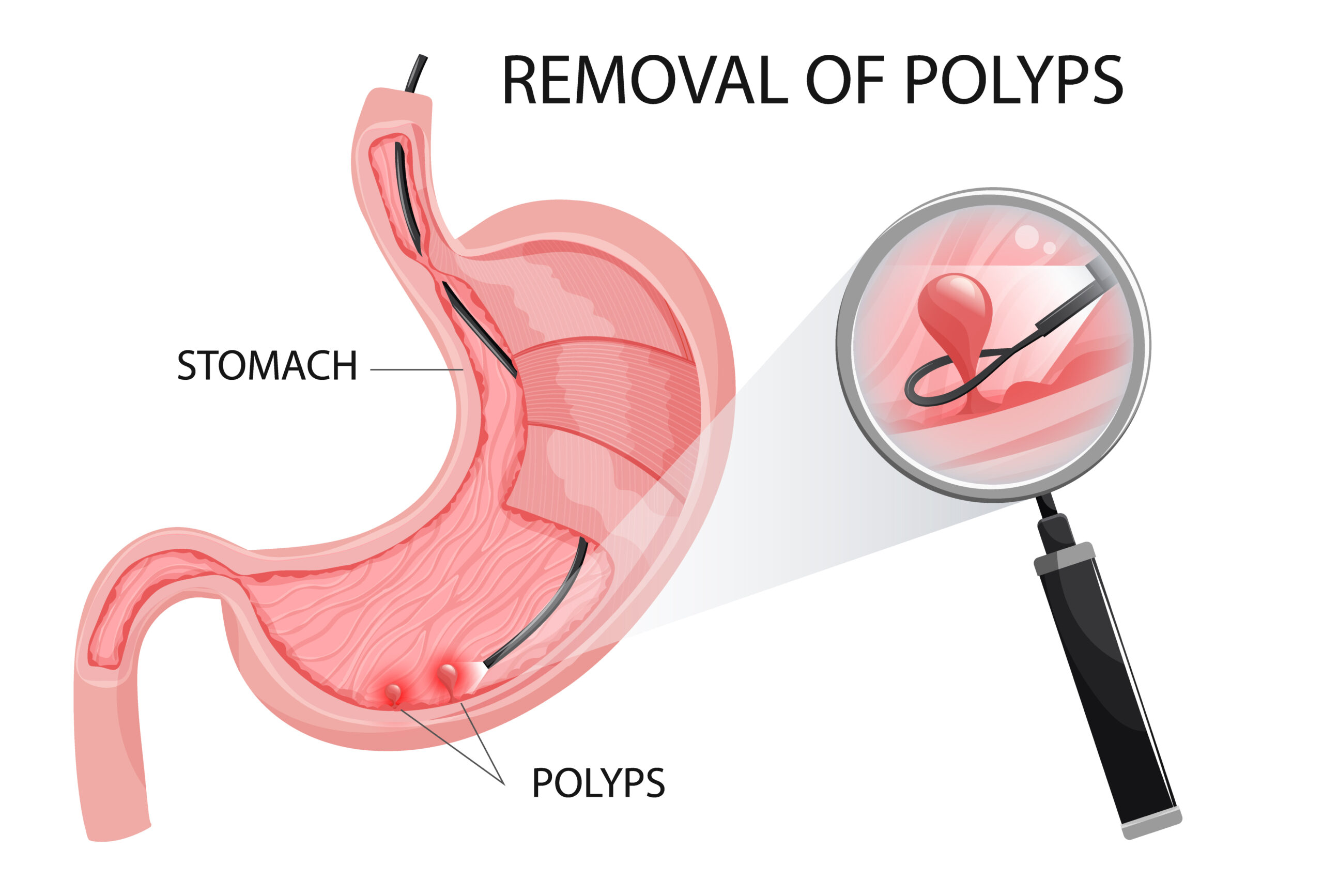
If you’re experiencing persistent heartburn, difficulty swallowing, unexplained weight loss, chronic abdominal pain, or blood in your stool, it’s time to speak with a gastroenterologist. These symptoms are common reasons doctors recommend an endoscopic procedure to investigate further.
If you have persistent acid reflux, stomach pain, or difficulty swallowing that cannot be explained, don’t ignore it; you now know that your fear is much worse than the truth. It is best to investigate and treat as soon as possible.
Our gastroenterologists at Omar Hospital perform endoscopy using cutting-edge and less invasive techniques, ensuring your experience from your first consultation through to recovery is as comfortable and stress-free as possible.
Schedule your appointment at Omar Hospital today to gain insight into your digestive health from specialists who put your comfort first.