Worldwide, coronary artery disease is the most common type of heart disease. It’s often called a “silent” condition for a valid reason; many people survive it for years before a symptom ever appears. Understanding what it is, what causes it, and how it’s treated is one of the simplest ways to catch it before it becomes an emergency.
Coronary artery disease, or CAD, occurs when the coronary arteries (the blood vessels responsible for supplying oxygen-rich blood to the heart muscle) become narrowed or blocked. This narrowing reduces blood flow to the heart and, over time, can lead to chest pain, heart attacks, or heart failure if left untreated. It’s also referred to as coronary heart disease, and it remains one of the leading causes of death globally, including in Pakistan.
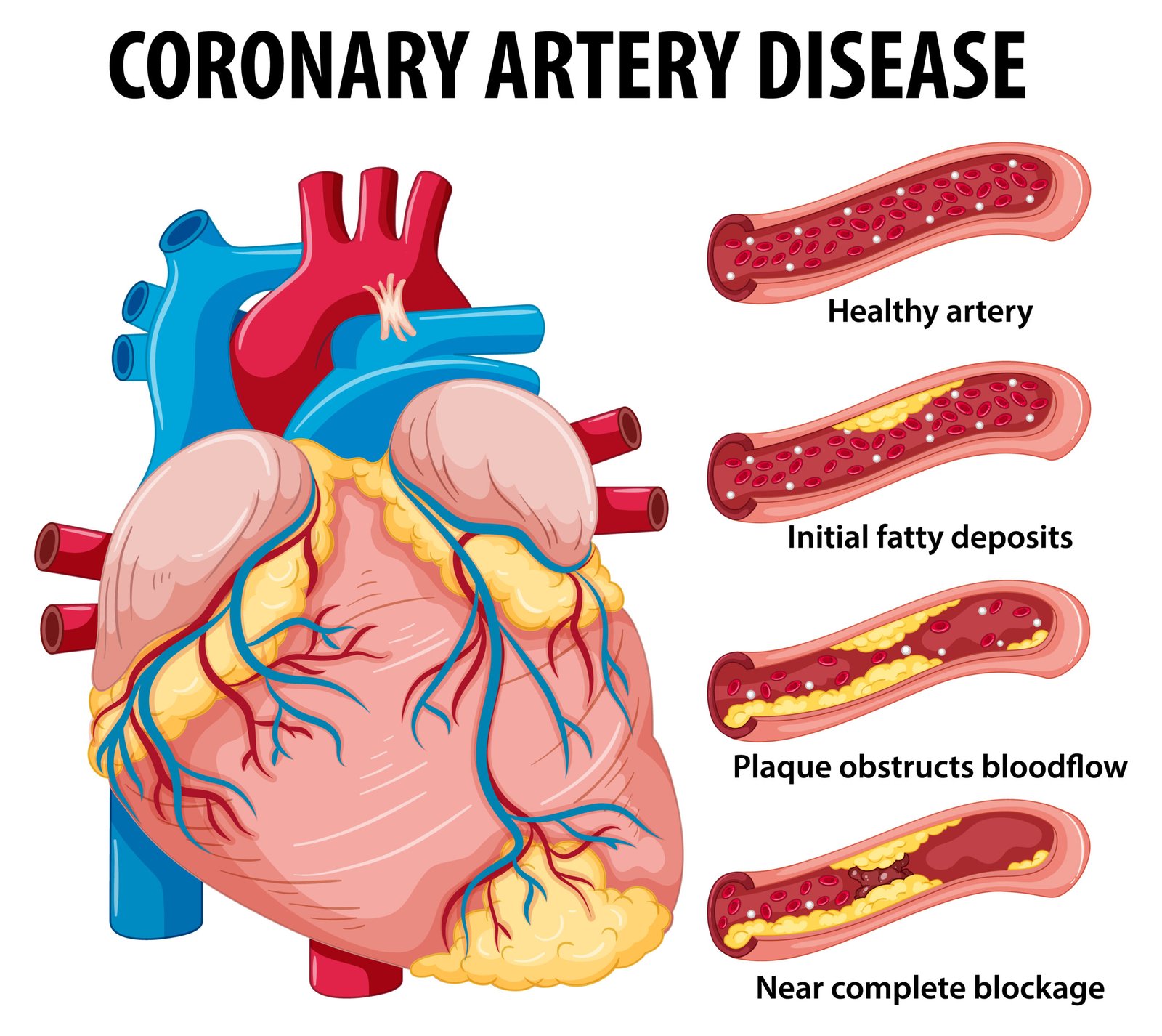
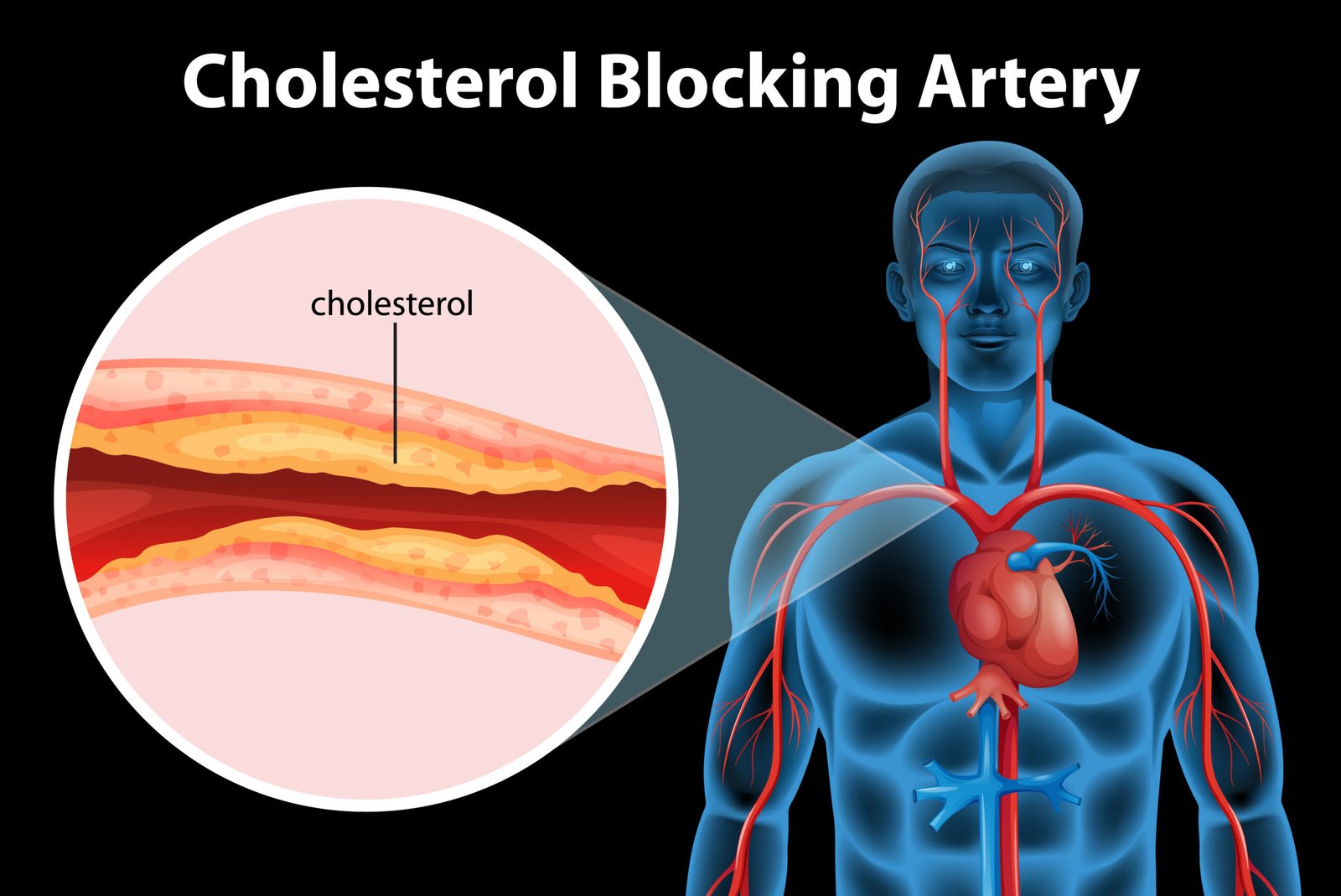
CAD develops gradually, usually over years, through a process called atherosclerosis. This is the buildup of plaque, a mix of cholesterol, fat, calcium, and other substances, along the inner walls of the coronary arteries.
As plaque accumulates:
In more advanced cases, a piece of plaque can rupture, triggering a blood clot that suddenly blocks the artery entirely; this is what causes a heart attack.
CAD symptoms can be gradual or sudden, and they vary from person to person:
Some people, particularly those with diabetes, experience little to no chest pain even with significant blockages, a pattern known as silent ischaemia, which makes regular screening especially important for high-risk individuals.
Several factors increase the likelihood of developing CAD, and most overlap significantly with general cardiovascular risk:
Many of these are within a person’s control, which is part of why lifestyle changes remain one of the most effective tools for both preventing and managing CAD.
Diagnosis typically starts with a physical exam and history review, followed by tests such as an ECG, echocardiogram, stress test, or coronary angiography to assess the extent of arterial narrowing.
Treatment depends on severity:
CAD is manageable and, in many cases, preventable when caught early. Anyone with risk factors, even without symptoms, benefits from a baseline cardiac evaluation. Those already experiencing chest discomfort, breathlessness, or unexplained fatigue shouldn’t wait for symptoms to worsen before seeking an opinion.
At Omar Hospital & Cardiac Centre, patients are assessed and treated by cardiac specialists experienced in the full range of coronary vascular disease management, whether it’s lifestyle-based prevention to advanced interventional procedures such as rotablation for complex, calcified blockages. Early evaluation gives you far more treatment options than waiting for an emergency to force the decision.
Coronary artery disease develops quietly, but it’s also one of the most preventable and manageable heart conditions when identified early. Knowing your risk factors, paying attention to symptoms, and getting screened rather than waiting is the most effective step toward protecting your heart long-term.
What is the difference between coronary artery disease and heart disease?
Heart disease covers any condition affecting your heart. Coronary artery disease is one specific type, caused by plaque narrowing or blocking your coronary arteries.
Can coronary artery disease be cured?
Not fully cured, but it can be managed well. Lifestyle changes, medication, and procedures like angioplasty or bypass can slow it down and keep you healthy.
What is the first sign of coronary artery disease?
Usually, chest discomfort during activity is called angina. Some people, especially diabetics, may not notice symptoms until later on.
Is rotablation better than bypass surgery?
Not really; they’re used for different situations. Rotablation clears hardened blockages before stenting, while bypass handles more extensive blockages. Your cardiologist picks based on your case.