

Diabetes and heart disease rarely travel alone. If you or someone in your family has been living with diabetes, your risk of developing heart disease is significantly higher, and often silently so. This is one of the most common concerns patients raise with their heart specialist in Lahore, and for good reason: cardiovascular complications are the leading cause of death among people with diabetes worldwide.
At Omar Hospital & Cardiac Centre, our cardiologists work closely with diabetic patients every day, which gives us a clear picture of how this connection develops, what warning signs matter, and what can actually be done about it. Here’s what our specialists want every patient to know.
High blood sugar levels, over time, damage the blood vessels and the nerves that control the heart. This happens gradually, which is exactly what makes it dangerous; most patients don’t feel anything until the damage is advanced.
According to the cardiologists at our cardiac hospital in Lahore, diabetes contributes to heart disease through several pathways:
This last point is one our doctors emphasise the most. A number of diabetic patients experience what’s known as a “silent heart attack”, with little to no chest pain, which is why regular cardiac screening matters more for diabetics than for the general population.
Because symptoms can be subtle in diabetic patients, it helps to know what to watch for beyond typical chest pain:
If any of these appear, don’t wait it out. Getting evaluated at a cardiac hospital near me as soon as symptoms show up can be the difference between early intervention and an emergency.
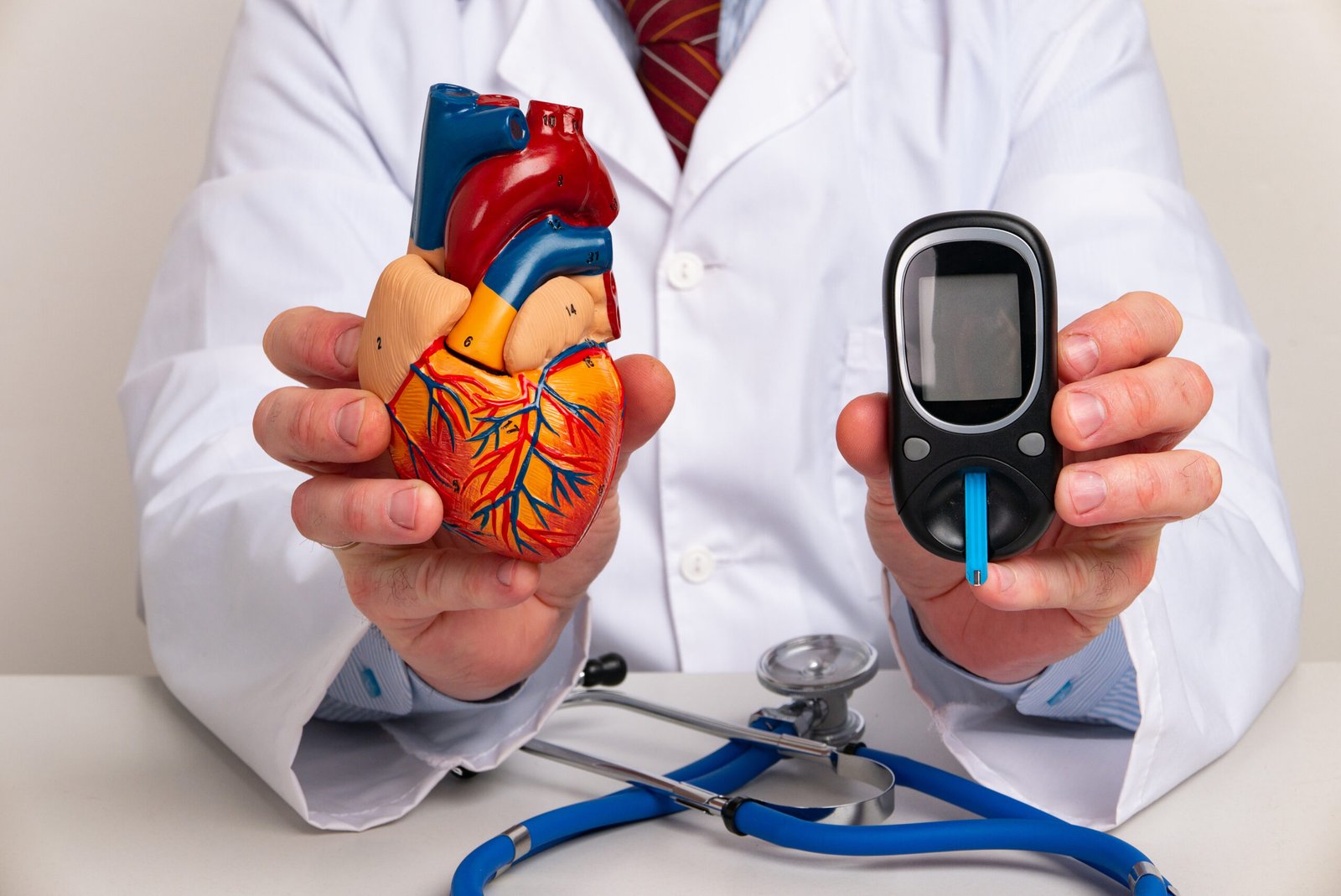
Managing the diabetes-heart disease connection isn’t about a single fix; it’s an ongoing partnership between your endocrinologist and your cardiologist. Based on consultations with patients at Omar Hospital, here’s the approach our specialists consistently recommend:
Patients often ask our doctors how they’ll know it’s “time” to see a heart specialist rather than just managing things with their regular physician. As a general guide, it’s worth booking an appointment with the best heart doctor in cardiac hospital if you:
Early evaluation isn’t about alarming patients; it’s about catching changes while they’re still manageable, rather than after a cardiac event forces the issue.
A diabetes diagnosis doesn’t mean heart disease is inevitable. Many patients manage both conditions for decades without major cardiac events, largely because they stay ahead of it through consistent monitoring, medication adherence, and a genuine partnership with their care team. The goal isn’t perfection; it’s consistency.
If you’re managing diabetes and want a clear picture of your heart health, our cardiology team at Omar Hospital & Cardiac Centre, Jail Road, Lahore, is here to help. From routine screenings to advanced cardiac care, our specialists tailor every treatment plan to the patient in front of them, not a generic protocol.
Schedule your consultation with our cardiac specialists today and take a proactive step toward protecting your heart. Call our helpline or visit Omar Hospital & Cardiac Centre to book an appointment with one of Lahore’s most experienced heart specialists.