

Persistent stomach pain. Nighttime reflux. A liver function test (LFT) result with values that the doctor thinks need to be looked into further. For many people, the next step in that conversation is a word that sounds scarier than it is: endoscopy.
Omar Hospital & Cardiac Centre has been part of Lahore’s healthcare landscape since 1985, and its endoscopy center is one of the clearest examples of the advanced, minimally invasive care the hospital has built its name on. With two branches, Jail Road and Johar Town, Omar Hospital has the scale and infrastructure to back up its gastroenterology department, not just a single procedure room.
In this guide, you’ll learn what endoscopy involves, what it can detect, and why Omar Hospital has become a trusted choice for patients seeking a certified best gastroenterologist and a dependable endoscopy center in Lahore.
An endoscopy helps a doctor look directly inside your digestive tract using a thin, flexible tube fitted with a light and a tiny camera, called an endoscope. Instead of relying on imaging alone, the gastroenterologist can see the lining of the esophagus, stomach, intestines, or colon in real time and take a biopsy or treat certain issues during the same procedure if needed.
In short and simpler terms, endoscopy is a direct, minimally invasive look inside your digestive system, used both to diagnose problems and, in many cases, to treat them right away.
Endoscopes aren’t limited to one part of the body. Depending on what your doctor needs to examine, an endoscope can be used to:
Also called a gastroscopy test, this procedure examines the esophagus, stomach, and the first part of the small intestine (duodenum). It’s one of the most common tools for investigating reflux, ulcers, swallowing difficulty, or unexplained stomach pain.
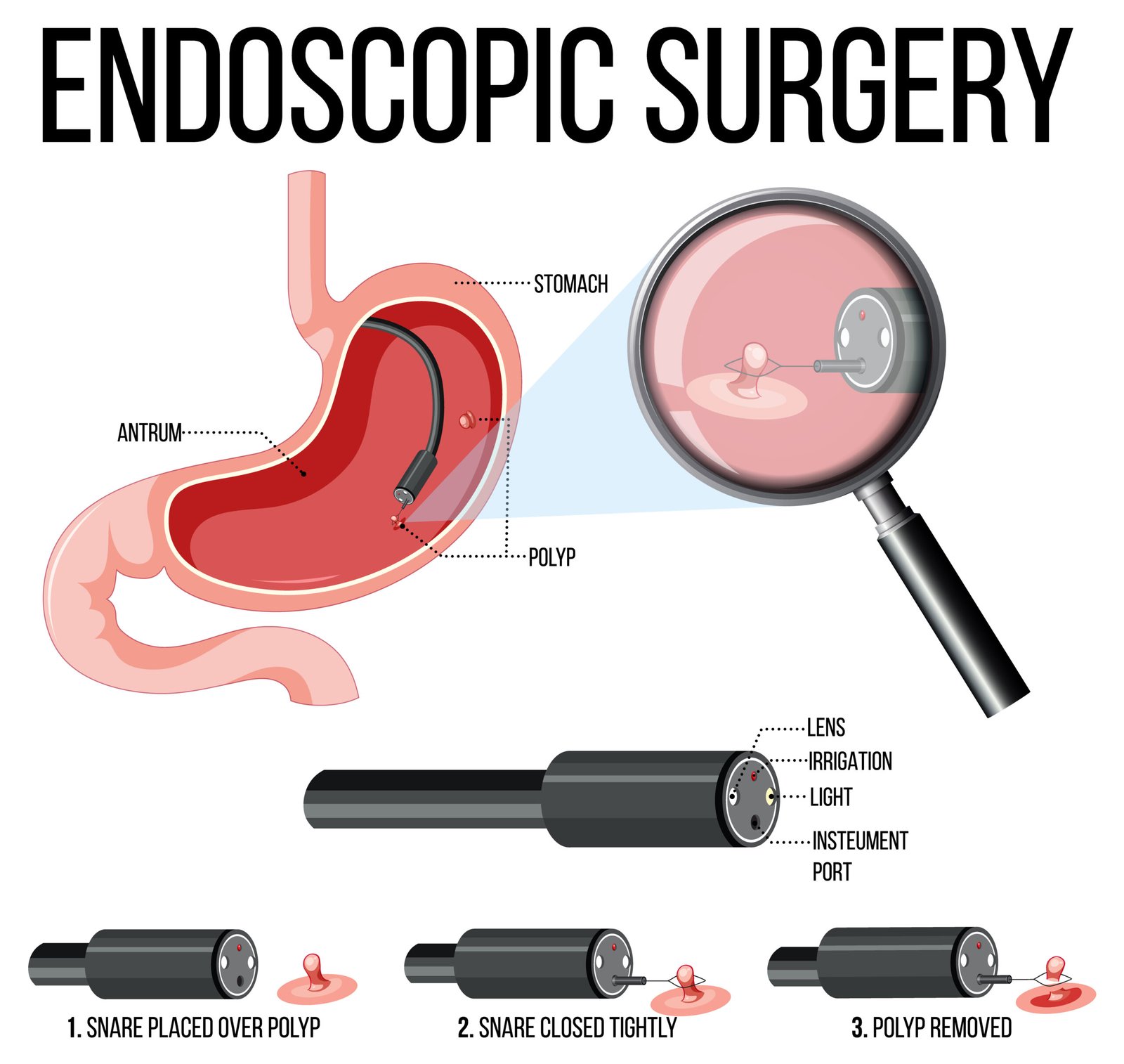
Gastroscopy preparation usually involves fasting for 6–8 hours beforehand so the stomach is empty enough for a clear view.
Colonoscopy
A colonoscopy is used to examine the colon and rectum, and it’s the primary tool for colorectal cancer screening, as well as investigating rectal bleeding, chronic diarrhea, or unexplained changes in bowel habits. A surveillance colonoscopy refers to follow-up exams recommended for patients with a history of polyps or certain bowel conditions, done on a schedule to catch any changes early.
For cases where the small bowel needs a closer look, beyond what a standard upper endoscopy or colonoscopy can reach, capsule endoscopy uses a small swallowable capsule with a built-in camera that captures images as it passes through the digestive tract.
For gallstone-related issues, bile duct blockages, and certain pancreatic conditions, Omar Hospital’s gastroenterology team also performs advanced therapeutic procedures that combine endoscopy with treatment in a single session, reducing the need for more invasive surgery.
Not sure which procedure fits your symptoms? Book a consultation with an Omar Hospital gastroenterologist and get a clear recommendation before any test.
While each type of endoscopy varies slightly, the general process looks like this:
This is one of the most common concerns patients search for before their first procedure. With sedation and modern equipment, most patients report only mild, temporary discomfort, a bit of bloating, or a sore throat afterward, depending on the type of endoscopy. Serious endoscopy side effects are rare when the procedure is performed by an experienced, certified gastroenterologist in a properly equipped facility, which is exactly why the credentials and experience of your endoscopy center matter.
Endoscopic examination can help identify:
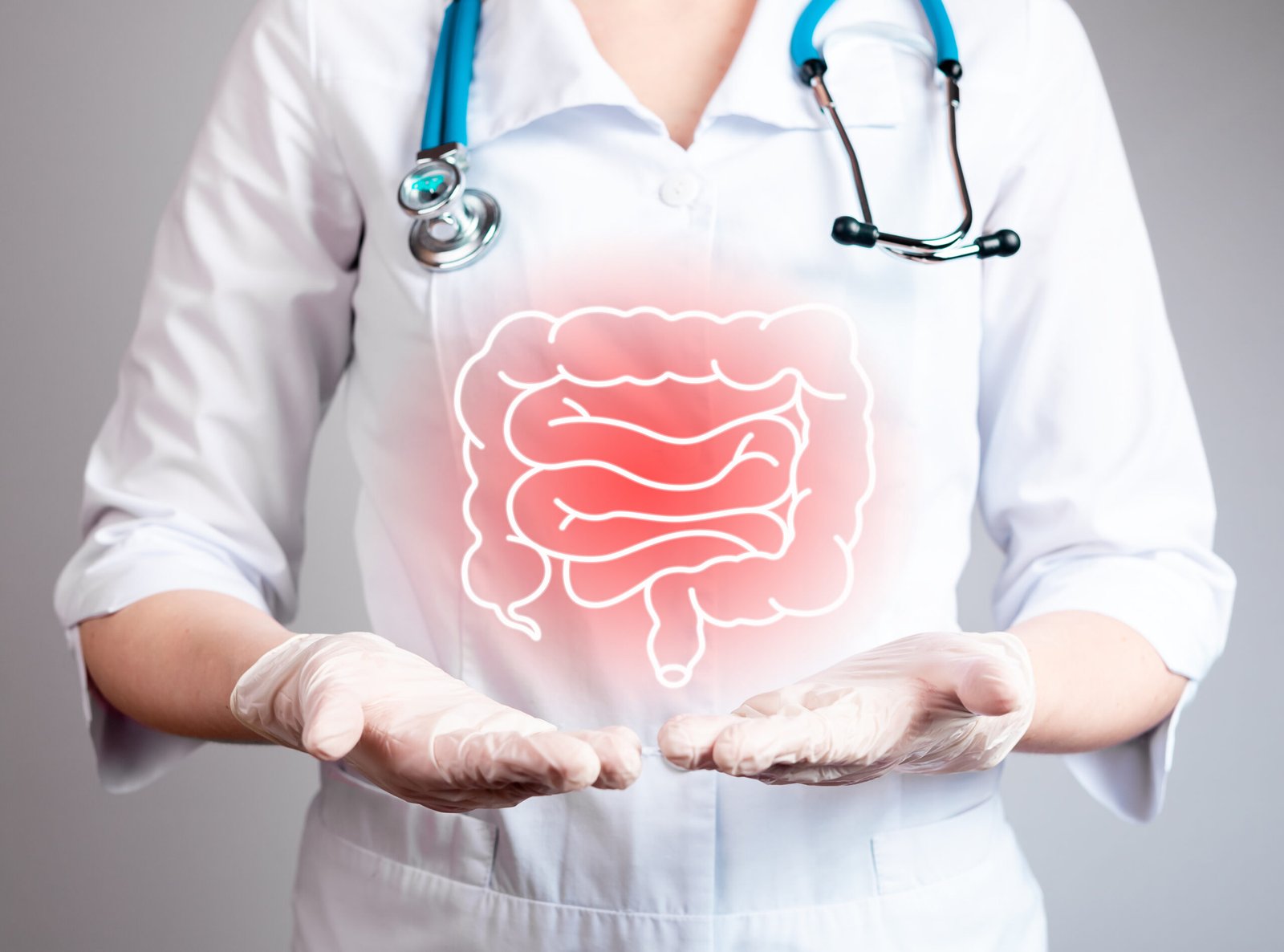
Endoscopy and liver health are closely connected. Many patients referred for endoscopic evaluation are also being assessed for liver-related concerns. Omar Hospital’s gastroenterology and hepatology team supports patients dealing with:
A liver function test is usually the starting point: a blood test that checks enzymes, proteins, and bilirubin levels to flag inflammation or damage before it progresses. If your results come back abnormal, or an ultrasound flags an enlarged liver against the typical normal liver size range, your gastroenterologist will usually recommend further evaluation rather than an immediate diagnosis, since several conditions can cause similar results.
If you’ve been searching for a liver specialist in Lahore or a hepatologist near you after an abnormal liver function test, Omar Hospital’s combined gastroenterology and hepatology services mean your evaluation, diagnosis, and treatment plan can happen under one roof, without being sent from one facility to another for basic follow-up.
A few things set Omar Hospital’s endoscopy center apart for patients weighing their options in Lahore:
If your doctor has recommended an endoscopy, gastroscopy, or colonoscopy, here’s what generally helps the process go smoothly:
Whether you need an upper GI endoscopy, a colonoscopy, or a liver evaluation, Omar Hospital’s gastroenterology team is set up to take you from consultation to procedure to follow-up without unnecessary delays.
Call Omar Hospital’s appointment desk or visit the hospital website to schedule your consultation at the Jail Road or Johar Town branch.
What is the difference between endoscopy and gastroscopy?
Gastroscopy is essentially another name for upper GI endoscopy, the examination of the esophagus, stomach, and duodenum. “Endoscopy” is the broader umbrella term that also covers colonoscopy and other scope-based procedures.
How long does an endoscopy take?
Most upper GI endoscopies take about 10-20 minutes, while colonoscopies typically take 20-40 minutes, not including recovery time from sedation.
Do I need a referral to book an endoscopy at Omar Hospital?
It’s best to start with a consultation with one of Omar Hospital’s gastroenterologists, who can assess your symptoms and confirm whether an endoscopy, colonoscopy, or another test is the right next step.
Is capsule endoscopy a replacement for a regular endoscopy?
Not usually. Capsule endoscopy is typically used to examine the small bowel, an area that’s harder to reach with a standard upper endoscopy or colonoscopy, and is generally used for specific cases rather than as a routine first step.
How much does an endoscopy cost in Lahore?
Endoscopy pricing varies depending on the type of procedure, whether sedation and biopsy are involved, and the facility. For an accurate quote, it’s best to contact Omar Hospital directly or ask during your initial consultation.