
Two proven methods of treating coronary artery disease are heart bypass surgery and stent implantation. The goals of both procedures are to lower the risk of a heart attack, lessen symptoms like chest pain and dyspnea, and restore normal blood flow to the heart. At the best hospital for heart surgery, like Omar Hospital, patients receive expert guidance to make informed treatment decisions with their cardiac care team.
When cholesterol and fatty deposits accumulate within the coronary arteries, coronary artery disease (CAD) results. Angina, dyspnea, exhaustion, or a heart attack can occur as these obstructions worsen. Procedures like bypass surgery or stent implantation are required when medications and lifestyle changes are no longer enough. Consulting the best hospital for heart surgery ensures you receive personalised evaluation and care.
Patients with advanced or complex coronary artery disease are frequently advised to undergo coronary artery bypass grafting (CABG). At the cardiac hospital, CABG is performed using state-of-the-art technology and highly skilled cardiac teams.
During heart bypass surgery, a new blood vessel is created to bypass clogged coronary arteries. Surgeons use healthy blood vessels that are removed from the arm, leg, or chest to bypass blocked areas.
CABG is performed to improve survival and provide long-lasting symptom relief for patients with multiple blockages, diabetes, or conditions affecting major coronary arteries.
Bypass surgery, small incision may be advised if a patient has:
Schedule a consultation at the best hospital for heart surgery to see if CABG is right for you.
Heart imaging, blood tests, medication reviews, and lifestyle counselling are part of the preparation process. Patients receive thorough counselling to understand the procedure, recovery timeframe, and expected outcomes.
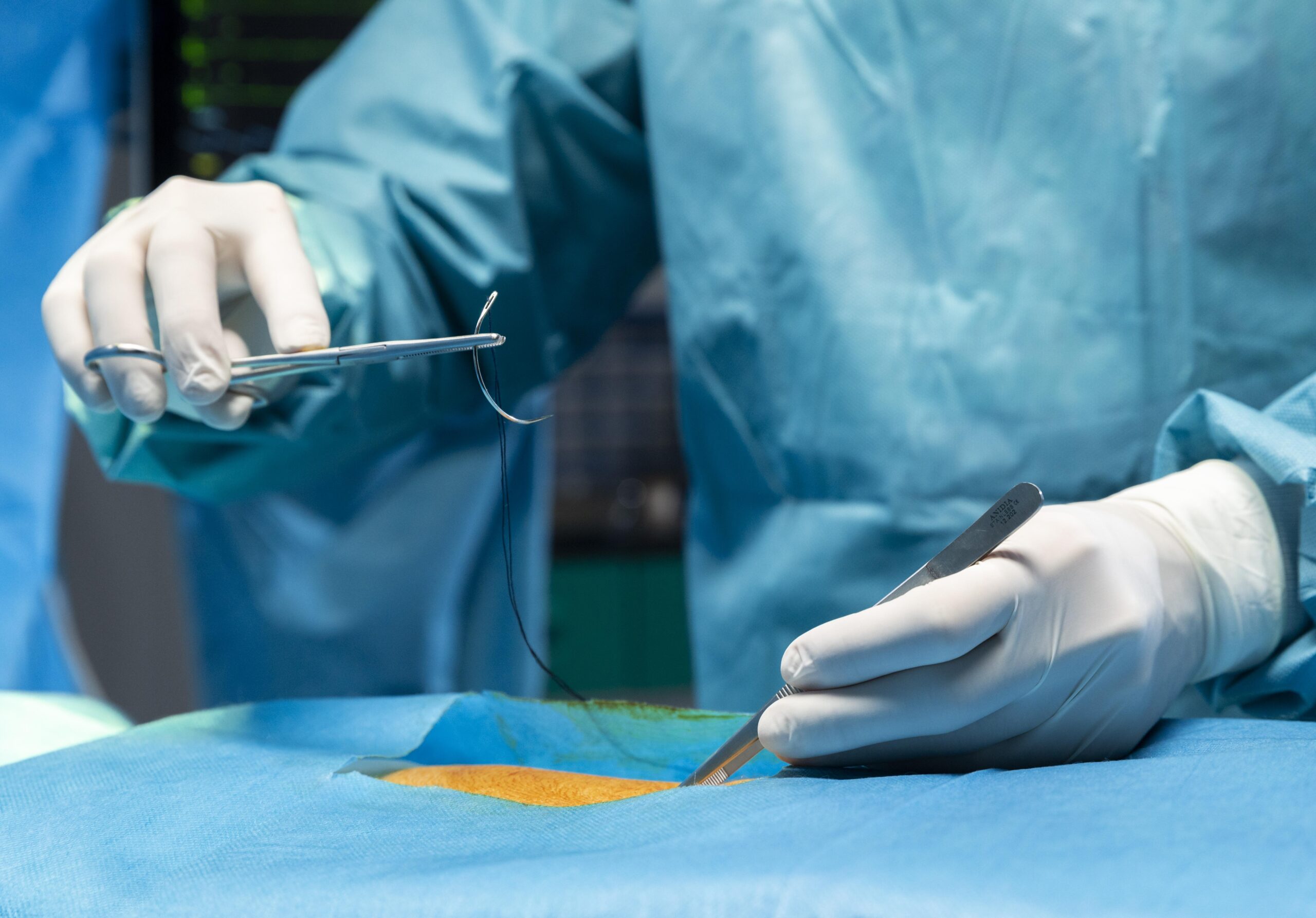
The cardiac surgeon uses grafts to bypass blocked arteries and restore proper blood flow during CABG. This procedure can be done on a beating heart (off-pump) or with the assistance of a heart-lung machine (on-pump).
Here are some commonly known types of heart bypass surgery
CABG can increase blood flow, relieve chest pain, improve physical capacity, and reduce future heart attack risks.
CABG carries risks like
At the best hospital for heart surgery, expert teams and advanced technology minimise these risks.
Hospital stays usually last five to seven days. Complete recovery involves cardiac rehabilitation, gradual return to activities, and close medical supervision, typically over six to twelve weeks.
Most patients report improved quality of life and long-term symptom relief. Combining surgery with risk-factor control and regular follow-up yields the best results.
Stent implantation is a minimally invasive procedure for specific coronary artery blockages. The best hospital for heart surgery ensures precise stent placement with modern techniques.
A heart stent is a small metal mesh tube placed inside a narrowed artery to keep it open and ensure continuous blood flow. The stent is delivered through a catheter, usually inserted via the wrist or groin, after the artery has been gently widened with a balloon.
For long-term heart health following these procedures, medications such as blood thinners, cholesterol-lowering drugs, and blood pressure medicines play a key role in preventing future cardiac events.
Most patients resume light activities within days and are discharged in 1-2 days.
When patients are carefully selected, stent placement shows very high success rates.
Clot formation and artery re-narrowing are possible. At the best hospital for heart surgery, medications and follow-up care reduce these risks.
Book a consultation at the best hospital for heart surgery to understand which option suits you.
The number of blocked arteries, heart function, diabetes, overall health, and patient preferences all influence the choice. Cardiologists and cardiac surgeons at Omar Hospital, the best hospital for heart surgery, evaluate each patient for the best approach.
Your journey to lasting heart health doesn’t end with surgery or stenting. Discover how following expert guidance at Omar Hospital, the best hospital for heart surgery, can maximise your recovery and long-term success.
A heart-healthy diet, regular exercise, quitting smoking, and managing weight are essential.
Blood thinners, cholesterol-lowering drugs, and blood pressure medications support long-term outcomes.
Cardiac rehabilitation and routine examinations track recovery and promote long-term success.
It’s important to stay vigilant about your recovery if you undergo heart bypass surgery or stent placement. You should contact your healthcare provider if you experience any of the following symptoms:

Even minor changes can signal complications that require timely attention. At Omar Hospital, the best hospital for heart surgery, cardiac doctors are available to provide guidance, evaluate symptoms, and ensure that your recovery stays on track. Early consultation helps prevent complications and supports long-term heart health.
Patients with coronary artery disease receive complete care at Omar Hospital, the best hospital for heart surgery, including minimally invasive procedures and advanced diagnostics. Meticulous patient selection, evidence-based planning, and organised follow-up promote safe recovery and long-term outcomes.
Schedule a heart care consultation at the best hospital for heart surgery today and take the first step toward a healthier heart.