
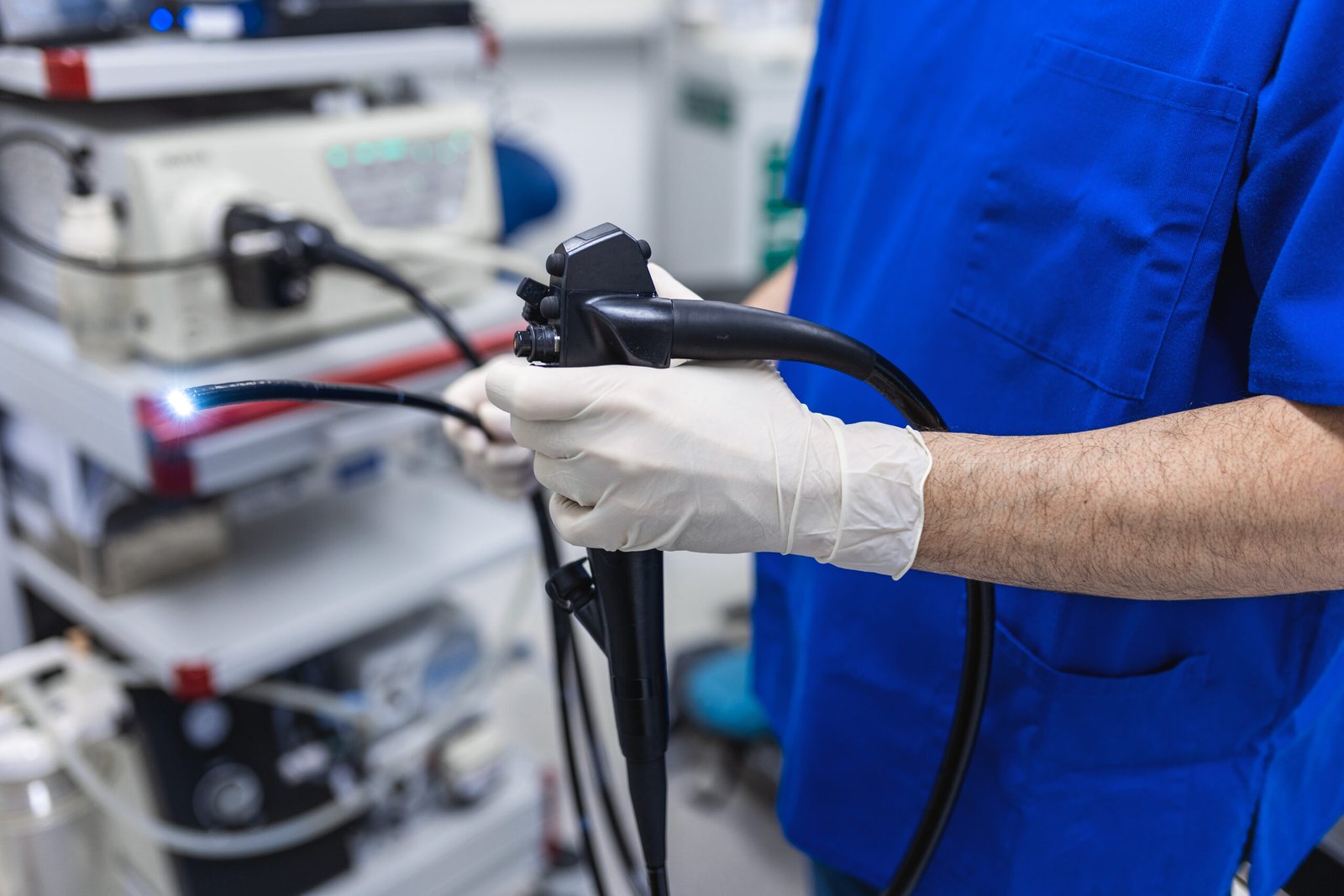
Digestive symptoms are easy to dismiss. A bit of heartburn after a heavy meal or an occasional stomachache rarely means anything serious. But when symptoms keep returning or begin to change, your doctor may suggest looking directly at the problem. That is where the endoscopy procedure comes in.
An endoscopy is a simple procedure where your doctor carefully guides a thin, flexible tube with a small camera through your mouth. This lets them look closely at your food pipe, stomach, and the beginning of your small intestine. Sometimes called an upper GI endoscopy, this test helps your doctor see what’s happening inside your digestive system and, if necessary, gently take a tiny tissue sample (biopsy) for further examination.
Your doctor might suggest an endoscopy when symptoms don’t have a clear answer after basic tests or scans. Here are five common reasons your doctor may recommend this procedure.
Food that feels stuck in the chest or throat, pain when swallowing, or needing to chew very carefully or avoid certain foods are all reasons to get checked. Causes can include inflammation, narrowing of the food pipe, or, less commonly, growths. An endoscopy shows exactly what is blocking the way.
Blood in the vomit, coffee-ground-like vomit, or tarry black stools may be indications of bleeding from the upper part of the digestive tract, usually from ulcers or inflamed tissue. This requires urgent medical attention. An endoscopy can locate the source of the bleeding and, in many cases, treat it at the same time.
Occasional heartburn is common. But heartburn that occurs several times a week, does not improve with medication, or wakes you at night should be assessed. Long-standing reflux can damage the food pipe lining. Many patients ask, “Do I need an endoscopy for acid reflux?” Not everyone does, but you likely should if you also have trouble swallowing, vomiting, weight loss, or symptoms that do not settle with treatment.
Losing weight without trying, especially together with loss of appetite or feeling full quickly, should never be ignored. An endoscopy helps rule out causes such as ulcers, inflammation, or other conditions affecting the stomach and food pipe.
Pain in the upper abdomen that lasts for weeks, ongoing nausea, or repeated vomiting without a clear cause can point to gastritis, ulcers, or other conditions. Endoscopy lets your doctor see these changes and test for infections.
An endoscopy can help detect ulcers, gastritis, acid reflux damage, inflammation, infections, narrowing of the food pipe, polyps, and other abnormal growths. Your doctor will discuss which findings apply to you.
Most people say an endoscopy feels more uncomfortable than painful. You’ll usually get a throat spray to numb the area or some medicine to help you relax. Your doctor will talk you through what to expect and make sure you’re comfortable before starting.
Book an appointment if symptoms last more than two to three weeks or keep returning. Seek urgent care immediately if you vomit blood, pass black stools, or cannot swallow at all.
If you’re considering an endoscopy in Lahore, look beyond just convenience. Choose a center with caring specialists, clean and modern equipment, doctors who explain everything, safe sedation, and a team that follows up with you about your results.
If you are searching for the best gastroenterologist in Lahore, our team at Omar Hospital & Cardiac Center is ready to assess your symptoms and guide you on whether an endoscopy is right for you.