
A heart attack is a medical emergency and needs prompt treatment. Delays in treatment can increase the risk of permanent heart damage and serious complications.
A heart hospital in Lahore can provide patients with timely medical attention from emergency cardiac experts, state-of-the-art diagnostic services, and critical interventions to save lives when time is of the essence.
Knowing what happens when you get to the hospital can make patients and their families feel more prepared when something critical happens.
Symptoms of a heart attack can vary from person to person. Some symptoms develop suddenly, and some develop gradually over several hours. Common warning signs include:
If you have these symptoms, getting medical care right away may help improve outcomes and reduce complications.

The critical moments come immediately after reaching a heart hospital in Lahore.
The emergency team quickly takes stock of the patient’s condition to determine the urgency of the case and begin treatment without unnecessary delay.
The initial assessment typically includes:
Fast and accurate diagnosis is essential for selecting the most effective treatment. Several tests may involve:
An ECG records the heart’s electrical activity and helps identify signs of reduced blood flow or heart muscle damage.
These tests detect proteins released into the bloodstream when heart muscle cells are damaged during a heart attack.
Patients are closely monitored to identify abnormal heart rhythms and other potential complications.
An echocardiogram may be used to evaluate heart function and assess areas affected by reduced blood supply.
When a heart attack is confirmed, treatment to restore blood flow and limit damage to the heart muscle is started right away.
Depending on the patient’s condition, emergency treatment may include medications that help
The treatment plan is individualised to the patient’s condition and medical needs.
Emergency angioplasty is the treatment of choice for many patients. This minimally invasive procedure consists of:
Prompt angioplasty can significantly improve recovery and reduce the risk of long-term heart damage.
Thrombolytic therapy may be given to dissolve blood clots and restore circulation in some cases where immediate angioplasty is not possible.
This decision will be based on factors such as the patient’s condition, the timing of the symptoms, and the overall treatment strategy.
Emergency treatment is only the first step. Ongoing monitoring and supportive care are essential for recovery.
After treatment, patients may be admitted to a specialized cardiac intensive care unit (ICU). The medical team continuously monitors the following:
Close observation allows healthcare professionals to respond quickly if concerns arise.
Recovery timelines vary depending on the severity of the heart attack and the patient’s overall health. Patients may receive:
A heart attack, if not treated in time, can result in serious health complications. Possible complications include but are not limited to:
Early diagnosis and treatment greatly reduce the chances of these problems.
In the event of a cardiac emergency, specialist care can be the difference. Here is a well-equipped cardiac hospital in Lahore:
These resources help ensure timely diagnosis, effective treatment, and ongoing patient support.
Lahore has several healthcare facilities that provide advanced cardiac services. Some recognised institutions are the following:
When selecting a heart hospital in Lahore, patients should take into account specialist expertise, emergency response capabilities, diagnostic facilities, and the range of treatment options available.
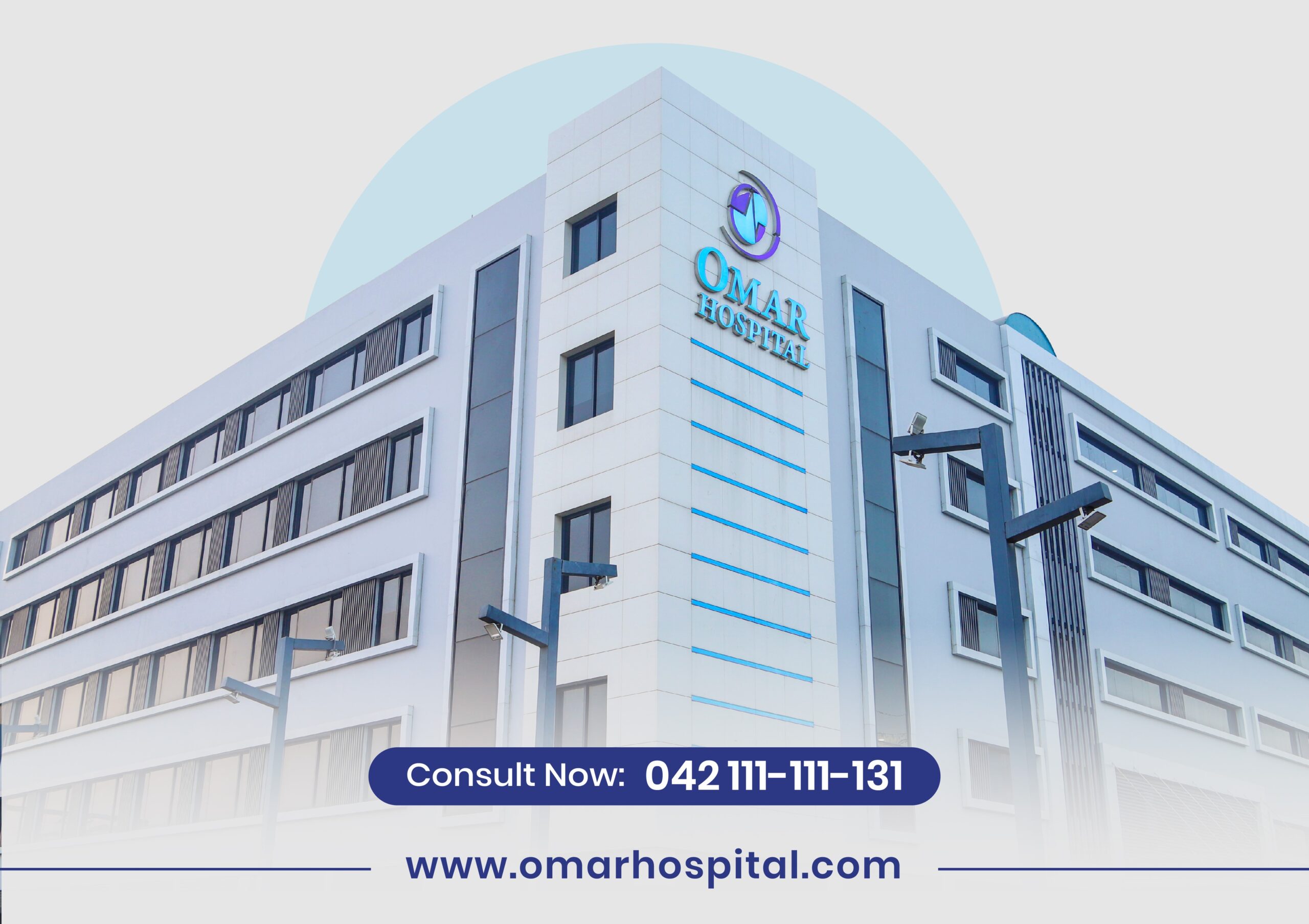
Omar Hospital & Cardiac Centre offers a comprehensive range of cardiac services to help patients on their road to recovery after emergency treatment.
The hospital’s cardiology specialists are experienced in evaluating and managing a wide range of heart conditions, including cardiac emergencies.
Modern diagnostic technology helps facilitate timely assessments and informed treatment decisions.
The hospital provides advanced cardiac procedures, including coronary angiography and angioplasty, to help restore blood flow and manage blocked arteries.
Patients benefit from coordinated care that includes emergency cardiac treatment, inpatient management, follow-up care, and recovery support.
Compassionate care, clear communication, and individualised treatment plans help ensure a supportive experience for patients and their families.
While not all heart attacks can be prevented, healthy lifestyle choices can help lower the risk. Important preventive measures include:
If you have a heart attack, call a doctor right away. Knowing what happens at a heart hospital in Lahore can help patients and families make sound decisions during a life-threatening emergency.
At Omar Hospital & Cardiac Centre, experienced cardiac specialists, advanced diagnostic facilities, and comprehensive heart care services work together to support patients through every stage of treatment and recovery.
If you think you are having a heart attack, call emergency medical help immediately. Early diagnosis and treatment can help preserve heart function, reduce complications, and improve long-term results.