
Heart valve disease can disrupt the flow of blood through the heart, causing fatigue, shortness of breath, chest pain, dizziness, or swelling in the body. If a valve is damaged, narrowed, or leaks, prompt treatment is required to protect the heart’s function and avoid serious complications.
Many patients find that medic ations alone are insufficient, and surgery is often the best option. If you’re looking for the best hospital for heart surgery, Omar Hospital in Lahore offers advanced evaluation, specialist consultation, and complete heart valve repair and replacement services in Lahore, with a patient-focused approach.
The heart has four valves that help push blood in the right direction. If one or more valves do not work properly, the heart has to work harder. It may also weaken the heart muscle over time and reduce circulation overall.
Delaying treatment may increase the risk of:
Early diagnosis and timely intervention can help improve the quality of life and long-term heart health.
Heart valve disease occurs when a valve does not open fully or close properly. It can occur gradually over time or due to an infection, congenital problems, ageing, or prior heart disease.
Common valve conditions include:
This means the valve becomes narrow and does not open properly, limiting blood flow.
This occurs when the valve leaks and allows blood to flow backward.
A valve leaflet bulges abnormally and may not seal properly.
Some patients are born with structural valve abnormalities that require monitoring or treatment later in life.
The early phase symptoms may be mild, so many patients ignore them. However, any increase in symptoms should always be evaluated by a heart specialist.
You should seek medical attention if you experience:
Prompt testing can help determine whether treatment is needed.
The best treatment depends on the type of damage, severity of disease, age, and overall health of the patient. Specialists carefully assess whether the valve can be repaired or should be replaced.
Valve repair preserves the patient’s natural valve whenever possible. Surgeons may reshape tissue, remove excess tissue, or strengthen the valve using supportive techniques. Repair is often preferred when the valve can still function effectively after correction.
If the valve is severely damaged, replacement may be the safer and more durable option. The damaged valve is removed and replaced with an artificial or biological valve.
The decision is always based on detailed clinical evaluation and what offers the best long-term result.
Heart valve procedures require precision, experience, and complete hospital support. Choosing the right hospital can significantly affect safety, recovery, and long-term outcomes.
A trusted heart surgery hospital should offer the following:
This is why many patients look for the best hospital for heart surgery when planning valve treatment.
Omar Hospital is specialised in cardiac patients needing valve treatments. Patients are looked after by one system from the first diagnosis through surgery and rehabilitation.
Services may include:
Detailed assessment of symptoms, medical history, and treatment planning.
Imaging and cardiac tests help evaluate valve movement, the severity of leakage, the narrowing, and heart function.
Where suitable, surgeons aim to preserve and restore the natural valve.
For advanced disease, replacement procedures are performed using carefully selected valve options.
Patients receive close monitoring after surgery to support safe healing.
Regular reviews help monitor heart function, medicines, and recovery progress.
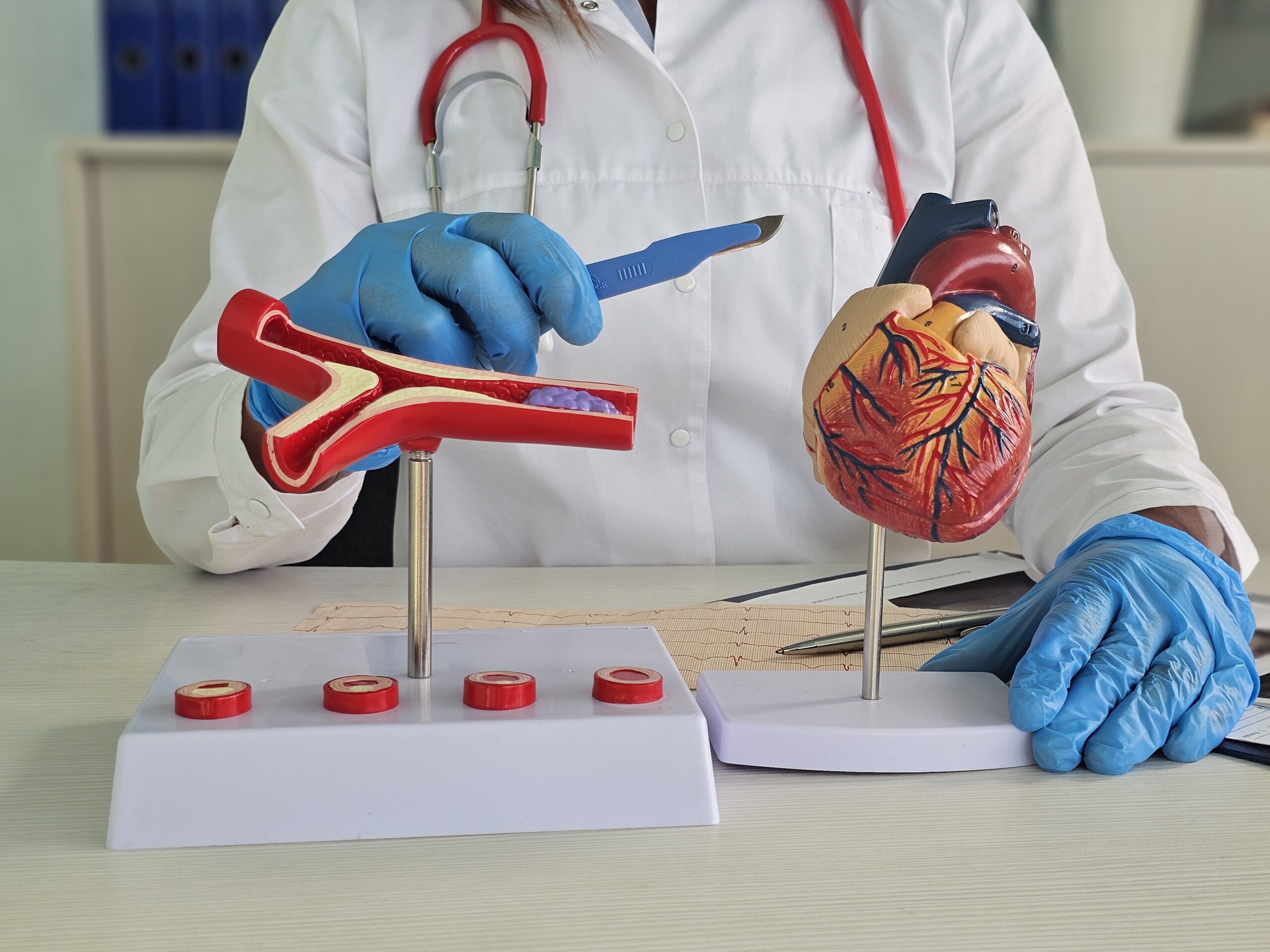
When replacement is necessary, surgeons may recommend different valve types depending on age, lifestyle, and medical condition.
These are durable and long-lasting but usually require long-term blood-thinning medication.
These are made from tissue materials and may be preferred in selected patients. They may not last as long as mechanical valves in some cases.
Modern infrastructure improves both safety and efficiency during complex heart procedures. Hospitals with updated systems can often deliver smoother treatment pathways.
Important facilities include:
These services are essential in any hospital performing specialized heart surgery.
Recovery time varies depending on the type of procedure, age, and overall health. Many patients gradually regain strength over the following weeks with proper care and follow-up.
Recovery usually includes:
Doctors provide individualised recovery instructions based on each patient’s condition.
Patients looking for the best hospital for heart surgery often value trust, organised care, and specialist expertise. Omar Hospital is recognized for combining experienced consultants with modern facilities and patient-centred treatment.
Families also appreciate receiving consultation, diagnostics, surgery planning, and post-treatment care within one hospital setting.

Heart valve surgery is needed when the valve is severely narrowed, leaking significantly, or causing symptoms that affect daily life.
If the valve can be safely repaired with good long-term function, repair is often preferred. However, some patients need replacement for better results.
Recovery varies by patient and procedure. Many patients improve gradually over several weeks.