Heart problems can develop silently, but some symptoms require urgent attention. Recognising these signs early can prevent serious complications like heart attacks or heart failure. Consulting a cardiac doctor provides timely evaluation, accurate diagnosis, and appropriate treatment from experts at Omar Hospital & Cardiac Centre.
A cardiac doctor specialises in diagnosing and managing heart and vascular conditions, including coronary artery disease, arrhythmias, heart failure, and hypertension. Early consultation with a heart doctor allows for precise testing, preventive strategies, and expert treatment planning, helping patients avoid life-threatening complications.
Life can be saved by identifying these warning indicators and getting a cardiologist’s diagnosis as soon as possible.
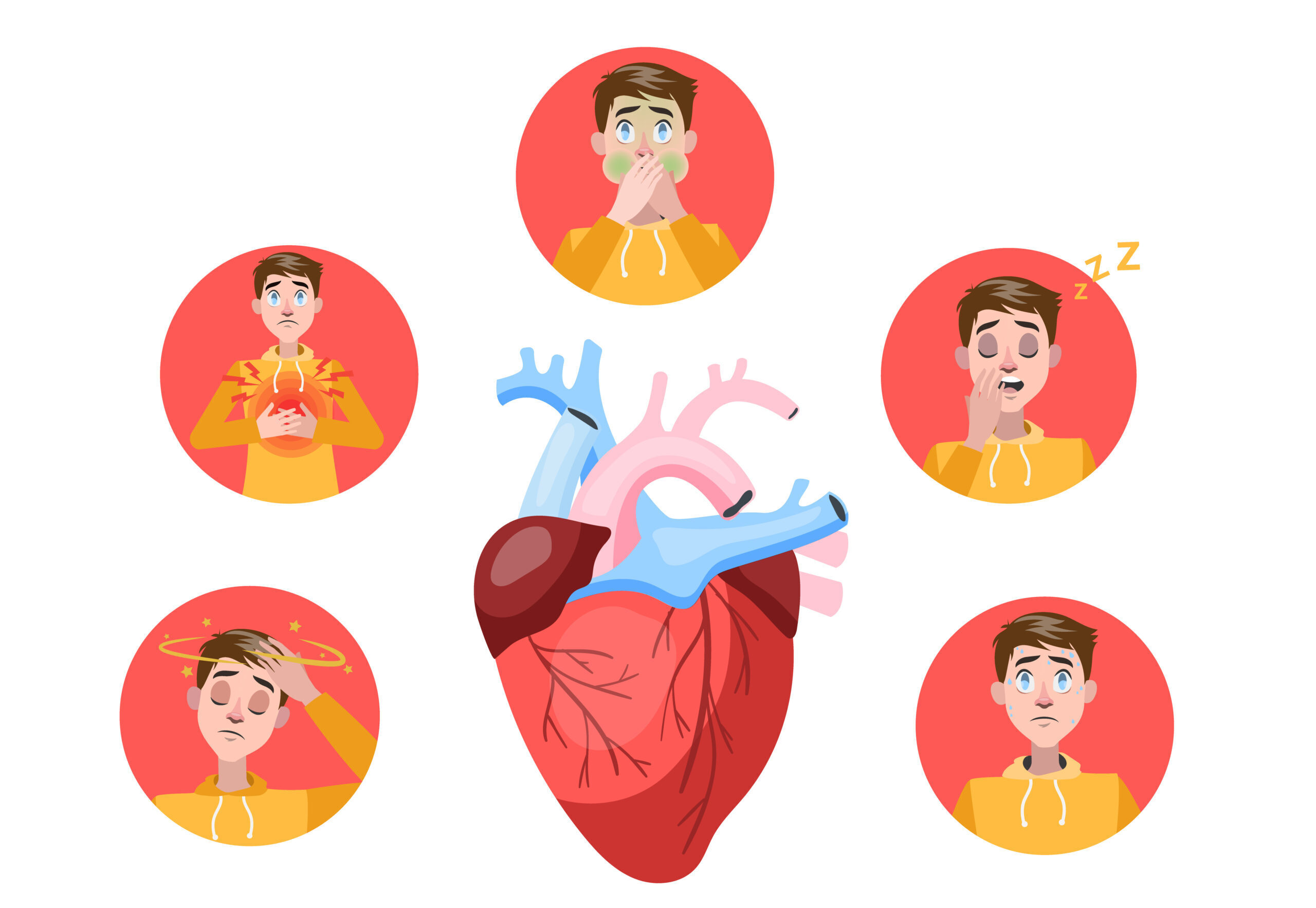
Chest pain, tightness, or pressure at rest or during activity may indicate blocked coronary arteries. Persistent pain should never be ignored. A cardiologist can perform tests like an ECG or angiography to identify the cause and recommend treatments, including medications or procedures.
Difficulty breathing during normal activities or at rest can signal heart failure or reduced heart function. Early consultation with a cardiac doctor enables prompt testing and interventions to restore heart health.
A racing, fluttering, or irregular heartbeat may indicate arrhythmias or other heart conditions. A heart doctor can diagnose the cause using ECG or Holter monitoring and guide treatments to prevent complications.
Frequent dizziness or fainting may result from inadequate blood flow caused by heart rhythm disturbances. Consulting a heart specialist ensures proper diagnosis, treatment, and risk reduction.
Fluid accumulation in the lower limbs can indicate heart failure or circulation problems. A cardiac doctor evaluates the cause and recommends medications, lifestyle changes, or further tests to manage symptoms.
Discomfort in these areas is often associated with heart attacks. Seeking immediate attention from a cardiac specialist can prevent permanent heart damage and improve recovery.
Persistent tiredness may signal that the heart is not pumping efficiently. A cardiac specialist can assess heart function and recommend interventions to restore energy and overall health.
Elevated blood pressure strains the heart and increases the risk of heart attacks or heart failure. Regular monitoring and consultation with a cardiac doctor help manage risks effectively.
A family history increases the risk of cardiac problems. Experiencing symptoms or having multiple risk factors warrants early screening by a cardiologist.
These conditions accelerate heart disease progression. A cardiac specialist can guide lifestyle modifications, medications, and regular checkups to reduce risks.
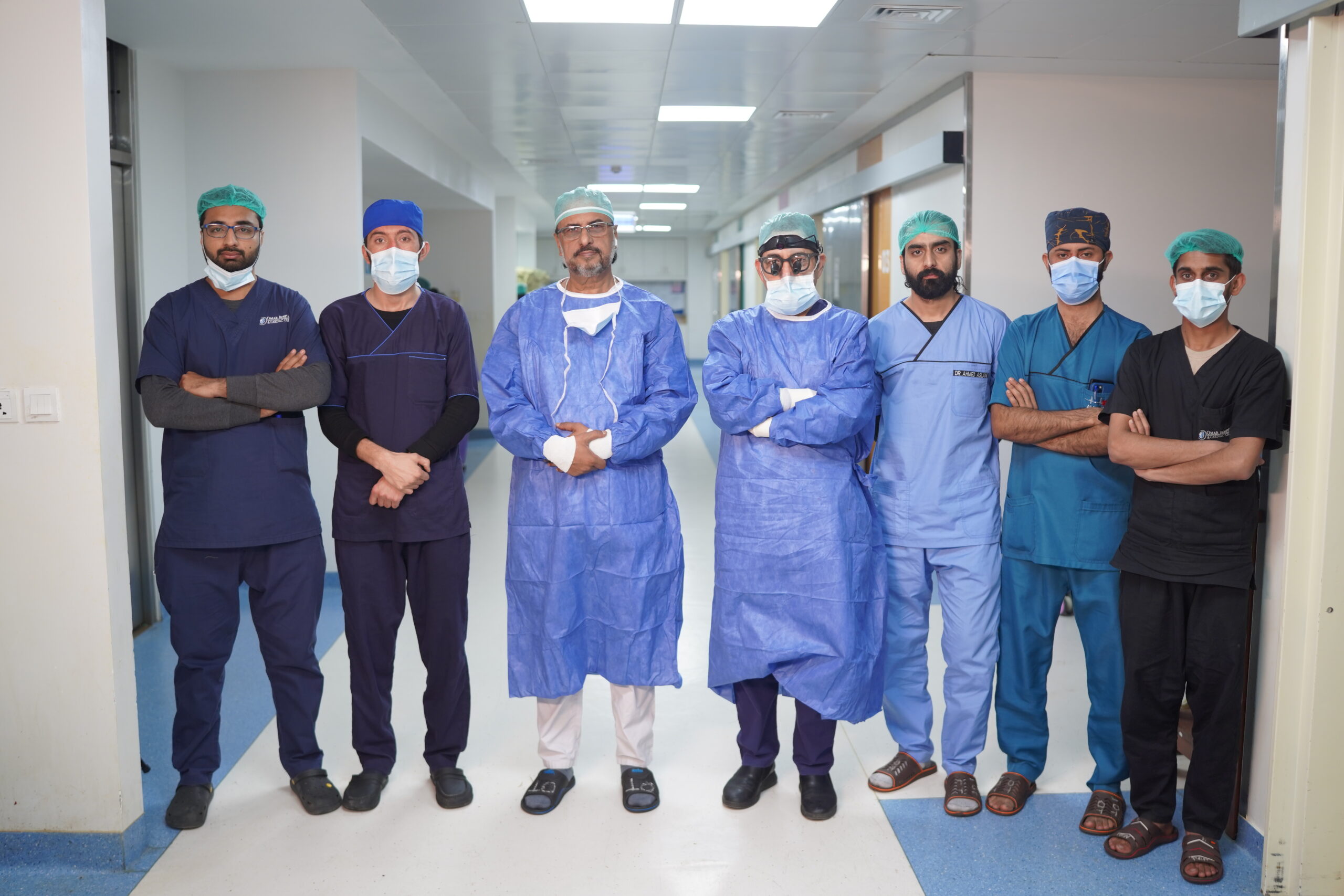
Early intervention by a cardiac doctor is essential since heart diseases may worsen rapidly. Early consultation, early diagnosis, early risk assessment, and early intervention before the complications occur. At Omar Hospital & Cardiac Centre, qualified cardiac specialists apply the latest diagnostics and individual treatment programmes to guarantee a safe recovery and the maintenance of a normal heart condition.
Early recognition and timely responses enhance the outcome and can avoid time-threatening experiences.
Even after consulting a cardiac doctor, maintaining heart health is essential.
Identifying the top 10 warning signs and consulting a cardiac doctor immediately can prevent severe heart complications. Whether you experience chest pain, palpitations, dizziness, or fatigue, early evaluation at Omar Hospital & Cardiac Centre ensures expert care, accurate diagnosis, and effective treatment. Take charge of your heart health today; schedule a consultation with a cardiac specialist at Omar Hospital.