Chronic joint pain can affect mobility, independence, and overall quality of life. When medications, injections, and physiotherapy fail to provide lasting relief, advanced joint replacement surgery offers a safe and effective solution.
At Omar Cardiac Hospital, patients benefit from comprehensive orthopedic care supported by modern surgical techniques, advanced operating theatre standards, and structured rehabilitation programs. Recognized as the best orthopedic hospital in Lahore, the hospital emphasizes precision, safety, and long-term functional recovery.
Advanced joint replacement surgery involves removing damaged bone and cartilage from a joint and replacing it with high-quality prosthetic components. The goal is to restore smooth movement, relieve pain, and allow patients to resume an active lifestyle.
Modern techniques focus on smaller incisions, muscle-sparing approaches, and precise implant alignment. Patients experience shorter hospital stays, reduced post-operative pain, faster rehabilitation, and improved long-term implant durability.
Joint replacement is usually recommended when joint pain severely limits daily activities despite conservative treatment. Patients often require surgery due to advanced osteoarthritis, rheumatoid arthritis, traumatic injury, or stiffness that prevents walking, climbing stairs, or performing routine tasks. At this stage, surgical consultation becomes essential to restore mobility and improve quality of life.
At Omar Cardiac Hospital, orthopedic surgeons provide a range of joint replacement procedures, customized for each patient:
Total knee replacement involves replacing the entire knee joint with prosthetic components made from medical-grade metal and polyethylene. This procedure is particularly beneficial for patients with advanced osteoarthritis or significant knee deformities. Following surgery, patients regain mobility and joint stability, enabling them to perform daily activities with reduced pain.
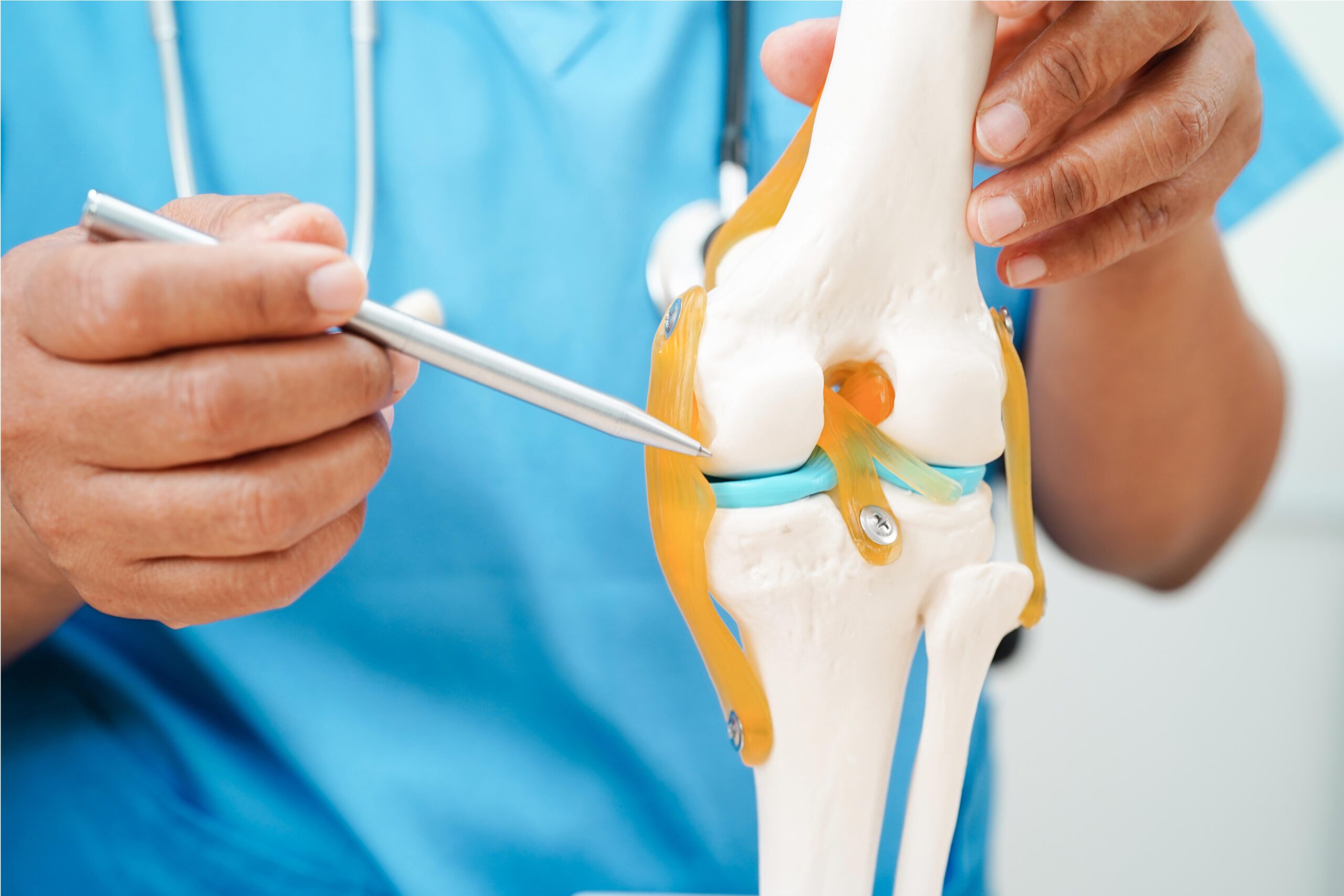
Partial knee replacement targets only the damaged compartment of the knee while preserving healthy bone and ligaments. This approach is less invasive, supports more natural knee movement, and allows faster recovery compared to total knee replacement. It is ideal for patients with localized joint damage.
Total hip replacement involves replacing both the hip socket and the femoral head. This procedure is recommended for patients with severe arthritis, fractures, or avascular necrosis of the hip. After surgery, patients experience significant pain relief and improved hip function, allowing them to walk and move comfortably.
Shoulder replacement surgery is performed when arthritis or injury severely limits the function of the shoulder joint. The procedure restores strength, flexibility, and functional range of motion, enabling patients to perform daily activities with improved ease.
All procedures at Omar Cardiac Hospital are carefully customized according to each patient’s anatomy, activity level, and lifestyle requirements.
Modern joint replacement at Omar Cardiac Hospital incorporates cutting-edge technologies for safer and more effective outcomes:
Robotic-assisted surgery improves accuracy in joint replacement by allowing surgeons to execute a carefully designed preoperative plan. This technology ensures accurate bone preparation, optimal implant placement, and balanced joint alignment, minimizing the risk of misalignment and improving long-term joint function.
Using advanced imaging, surgeons at Omar Hospital plan every step of the surgery before entering the operating theatre. This digital approach determines implant size, alignment angle, and bone preservation strategy, resulting in greater surgical accuracy and improved outcomes.
Minimally invasive techniques reduce incision size and preserve muscles, which leads to less post-operative pain, reduced blood loss, and quicker rehabilitation for patients. Patients undergoing MIJR often experience shorter hospital stays and a quicker return to daily activities compared to traditional surgery.
Computer-assisted navigation offers real-time guidance during surgery to ensure precise implant positioning. Accurate alignment improves joint stability, reducing wear over time, and enhances the long-term durability of the prosthesis.
Modern implants are designed to match the patient’s anatomy closely, supporting natural joint movement and reducing the risk of complications. These high-quality prosthetics are durable, reliable, and designed to last many years with proper care.
Preparation for joint replacement begins with a comprehensive pre-surgical assessment. Patients undergo a detailed orthopedic assessment, including evaluation of pain levels, range of motion, and walking patterns, to ensure an accurate diagnosis and effective surgical planning. Imaging studies, such as X-rays or MRI scans, determine the extent of joint damage.
Medical clearance is also completed to confirm the patient is fit for surgery. This may include blood tests, cardiac evaluation if indicated, and review of chronic conditions like diabetes or hypertension. An anesthesia consultation assesses fitness for surgery and prepares a pain management strategy.
Patient counseling is a key part of pre-surgical assessment. Patients are educated about the procedure, expected recovery timeline, potential risks, and the rehabilitation process. This ensures informed decision-making and realistic expectations.
The joint replacement journey at Omar Hospital is structured for safety, precision, and comfort:
The journey begins with a comprehensive consultation. Orthopedic specialists review the patient’s medical history, imaging studies, and discuss treatment options tailored to their condition.
Advanced imaging and digital mapping help design a patient-specific surgical plan. Implant selection, alignment, and surgical approach are designed for each patient’s anatomy and lifestyle requirements.
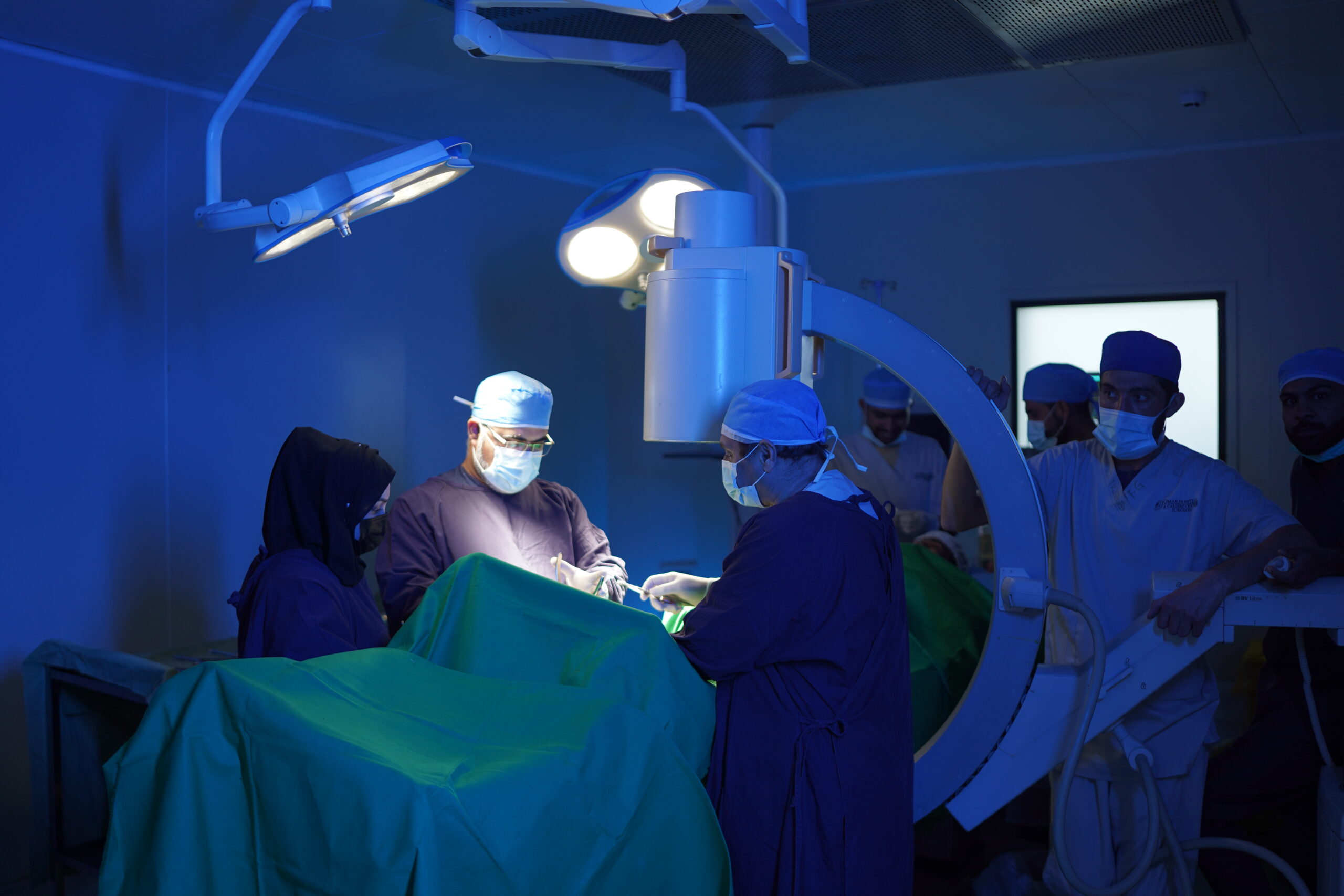
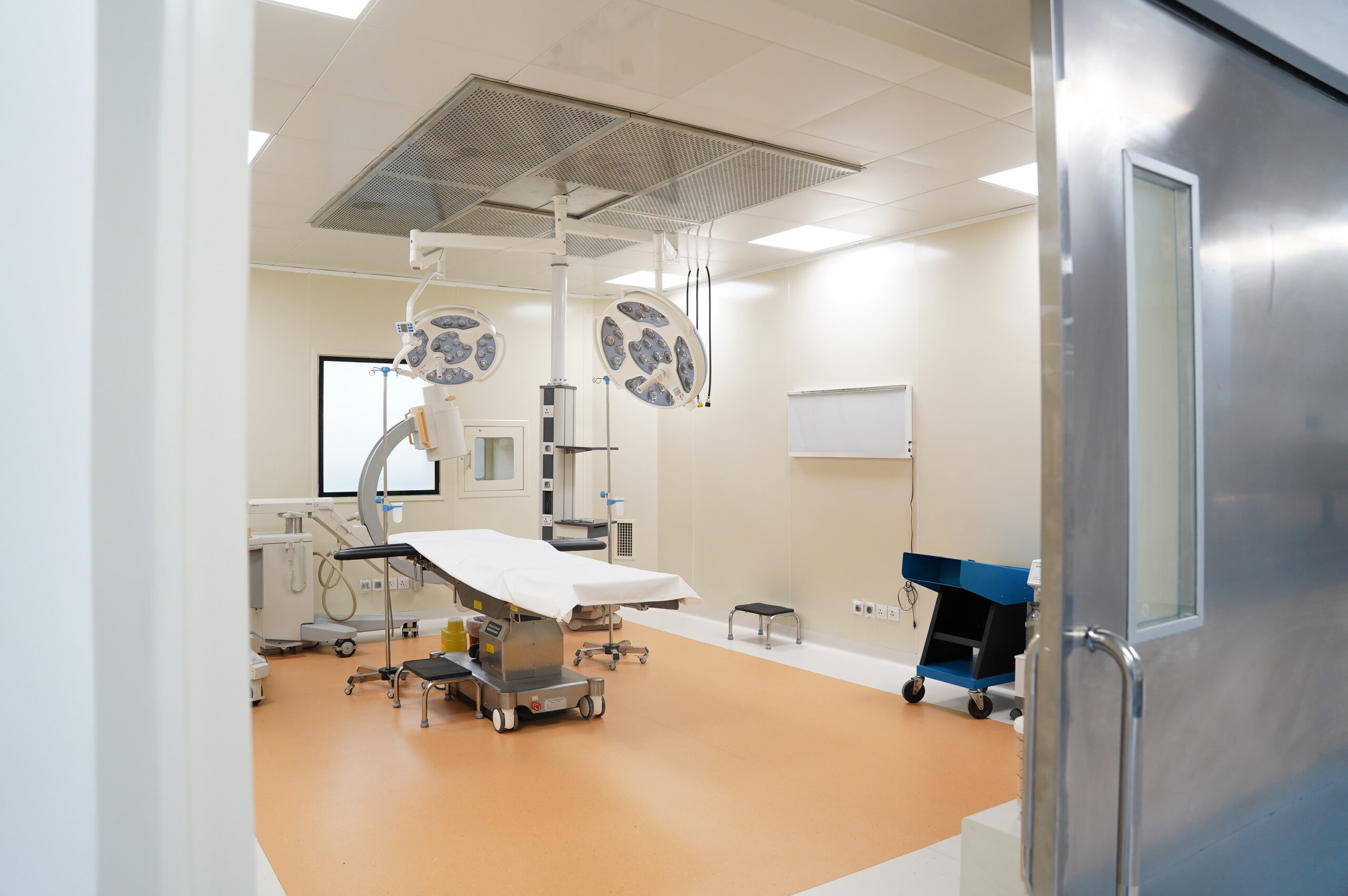
Procedures are performed in modern, sterile operating theatres equipped with laminar airflow systems, advanced monitoring devices, and strict infection control protocols. The surgical team ensures precision and minimal tissue disruption.
After surgery, patients are closely monitored in the recovery unit. Pain is managed effectively, and physiotherapy usually begins within 24 hours to support early mobilization.
During the hospital stay, patients gradually increase walking support, undergo wound monitoring, and begin gentle exercises. Most patients are discharged within 2-4 days, depending on individual recovery progress.
Structured physiotherapy focuses on restoring range of motion, strengthening muscles, and improving balance and coordination. Consistency during this phase is critical for long-term success.
Regular follow-ups monitor implant positioning, joint function, and overall recovery. Patients receive guidance on exercises, mobility, and lifestyle modifications to maintain joint health and implant longevity.
Success in joint replacement surgery is not only dependent on surgical expertise but also on hospital infrastructure. Omar Hospital provides modern laminar airflow operating theatres, advanced anesthesia monitoring, and strict infection control protocols. Dedicated post-operative care units and in-house physiotherapy ensure that patients receive comprehensive support for optimal recovery.
While joint replacement surgery has high success rates, potential risks include infection, blood clots, implant loosening, joint stiffness, and rare nerve injury. Careful surgical planning, adherence to protocols, and structured rehabilitation help minimize these risks.
Although modern implants are durable, some patients may require revision surgery due to implant wear, infection, trauma, or mechanical failure. Advanced materials and precision techniques at Omar Hospital reduce the likelihood of revisions, and most implants last 15–25 years with proper care.
Recovery timelines vary depending on the joint replaced and the individual’s health. Patients typically begin assisted walking within 24–48 hours, are discharged within 2–4 days, and resume light daily activities within 4–6 weeks. Full functional recovery is generally achieved within 3–6 months with consistent physiotherapy.
Patients choose Omar Hospital & Cardiac Centre Lahore due to its combination of experienced orthopedic specialists, advanced surgical technologies including robotics, structured rehabilitation programs, strict safety protocols, and patient-focused care. Its reputation as one of the best hospitals in Lahore reflects consistent clinical excellence and high patient satisfaction.
Is robotic surgery expensive?
Yes, robotic-assisted surgery may involve slightly higher costs, but its precision reduces complications and improves long-term outcomes.
How long does a knee replacement last?
Modern knee replacement typically lasts 15-25 years, depending on lifestyle and activity level.
Is robotic joint replacement better?
With robotic assistance, surgeons can align the implants more precisely, which often means your new joint will last longer and move more naturally.
How soon can I walk after surgery?
You can begin walking with support within 24 to 48 hours.
What are the risks of total joint replacement surgery?
The risks of total joint replacement surgery include infection, blood clots, joint stiffness, and implant wear. Proper post-operative care mitigates these risks.
How long does recovery take after hip replacement?
After hip replacement, initial recovery takes around six weeks, while full functional recovery can take 3-6 months.
Are there alternatives to knee replacement surgery?
It depends. Early-stage joint disease may be managed with physiotherapy, medications, injections, and lifestyle modifications.
What is the lifespan of a joint replacement prosthesis?
The lifespan of a joint is typically from 15-25 years with proper care and physiotherapy.
How do I prepare my home for recovery?
Before surgery, remove obstacles, install support rails, and arrange essential items for easy access at your home.
When can I return to work?
For desk jobs: you can return to work in 4-6 weeks. While physically demanding work takes 8-12 weeks or more.
How do I manage post-operative pain?
You can manage post-operative pain through medications, cold therapy, physiotherapy, and guided mobility exercises.
Advanced joint replacement surgery at Omar Hospital & Cardiac Centre provides lasting relief from chronic joint pain and restores an active lifestyle. With state-of-the-art surgical techniques, strict safety standards, and structured rehabilitation programs, Omar Hospital stands as a trusted center for orthopedic care in Lahore.
If joint pain is affecting your daily life, a professional consultation with our expert orthopedic team can help determine the safest and most effective treatment plan tailored to your needs.